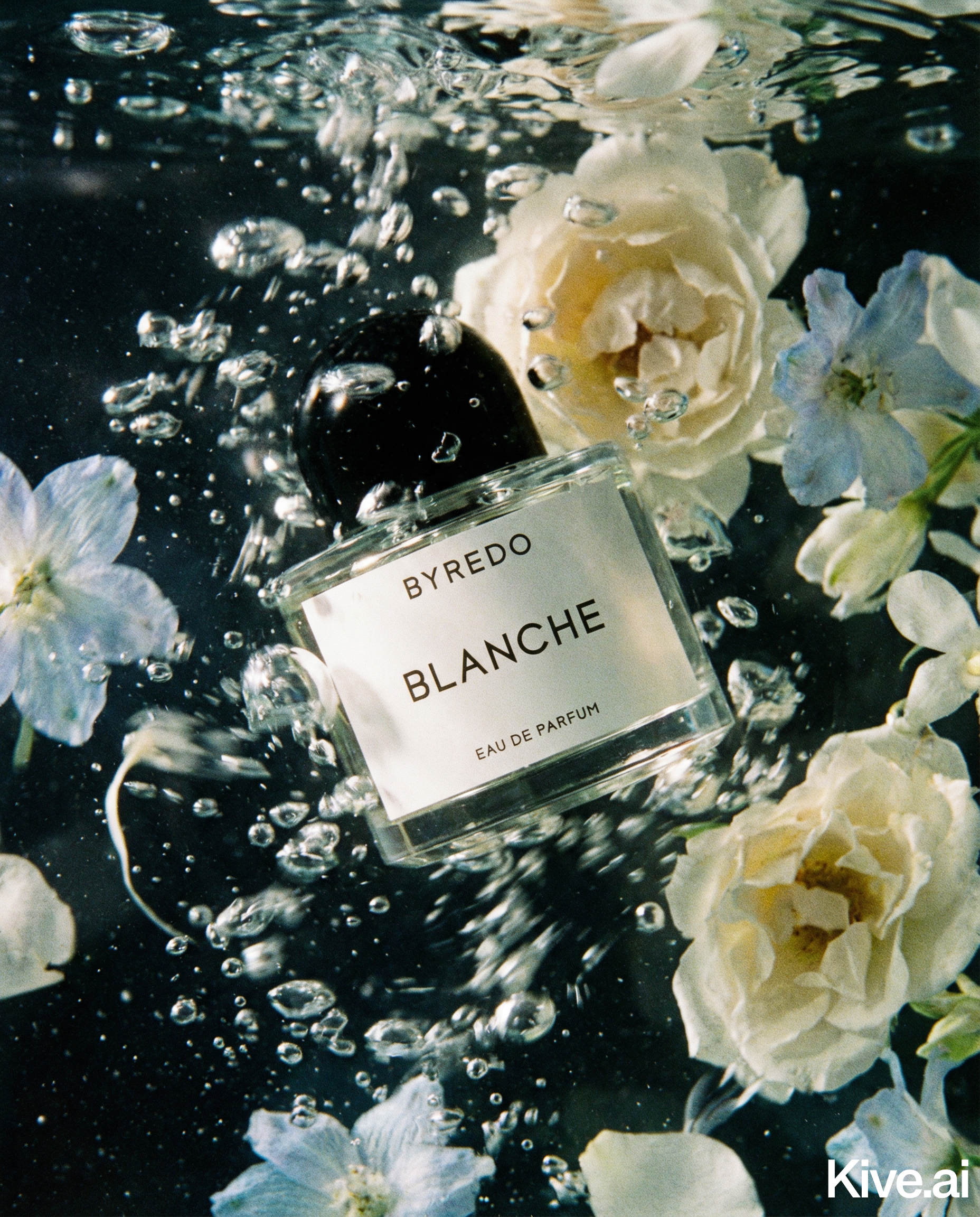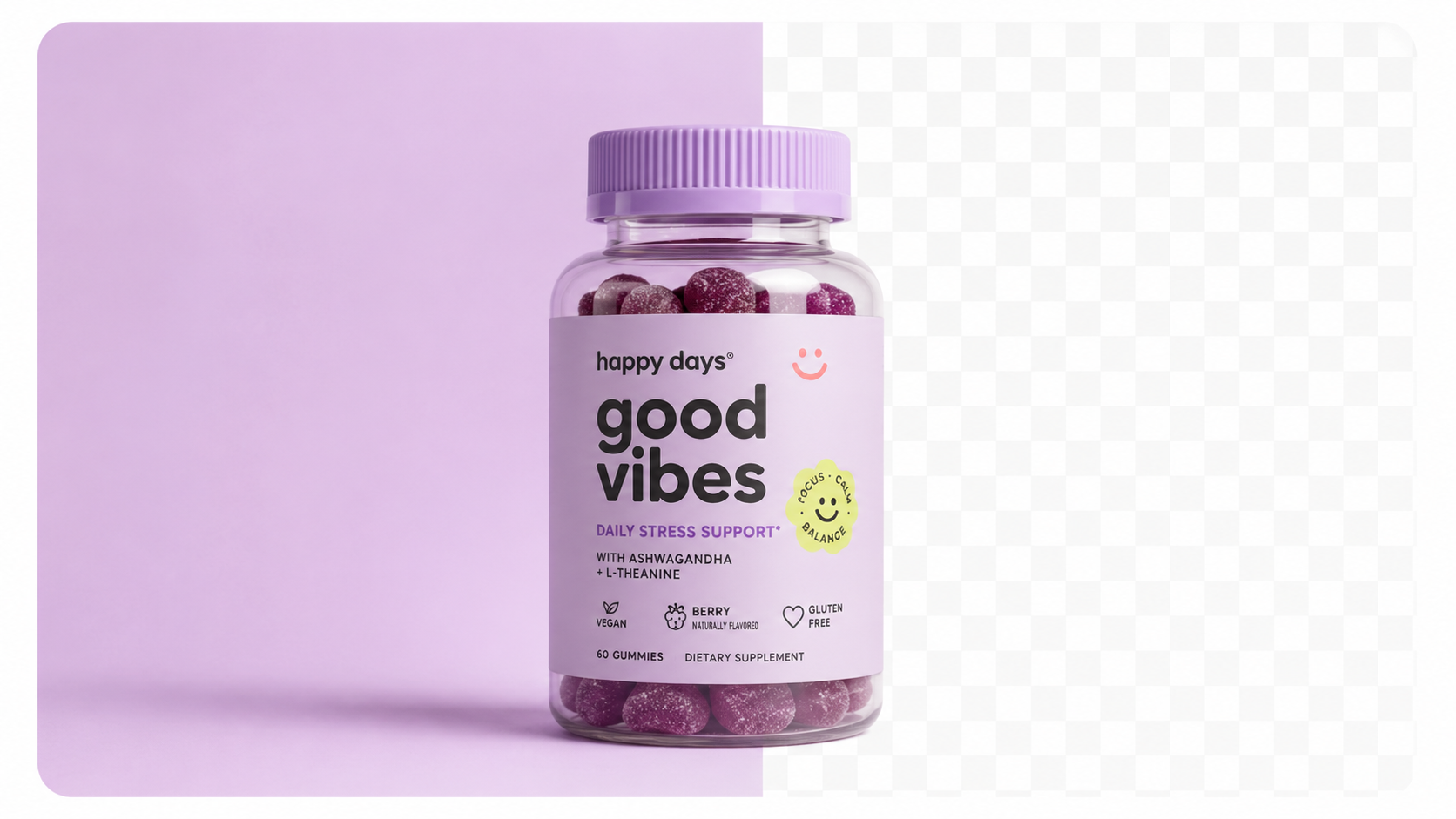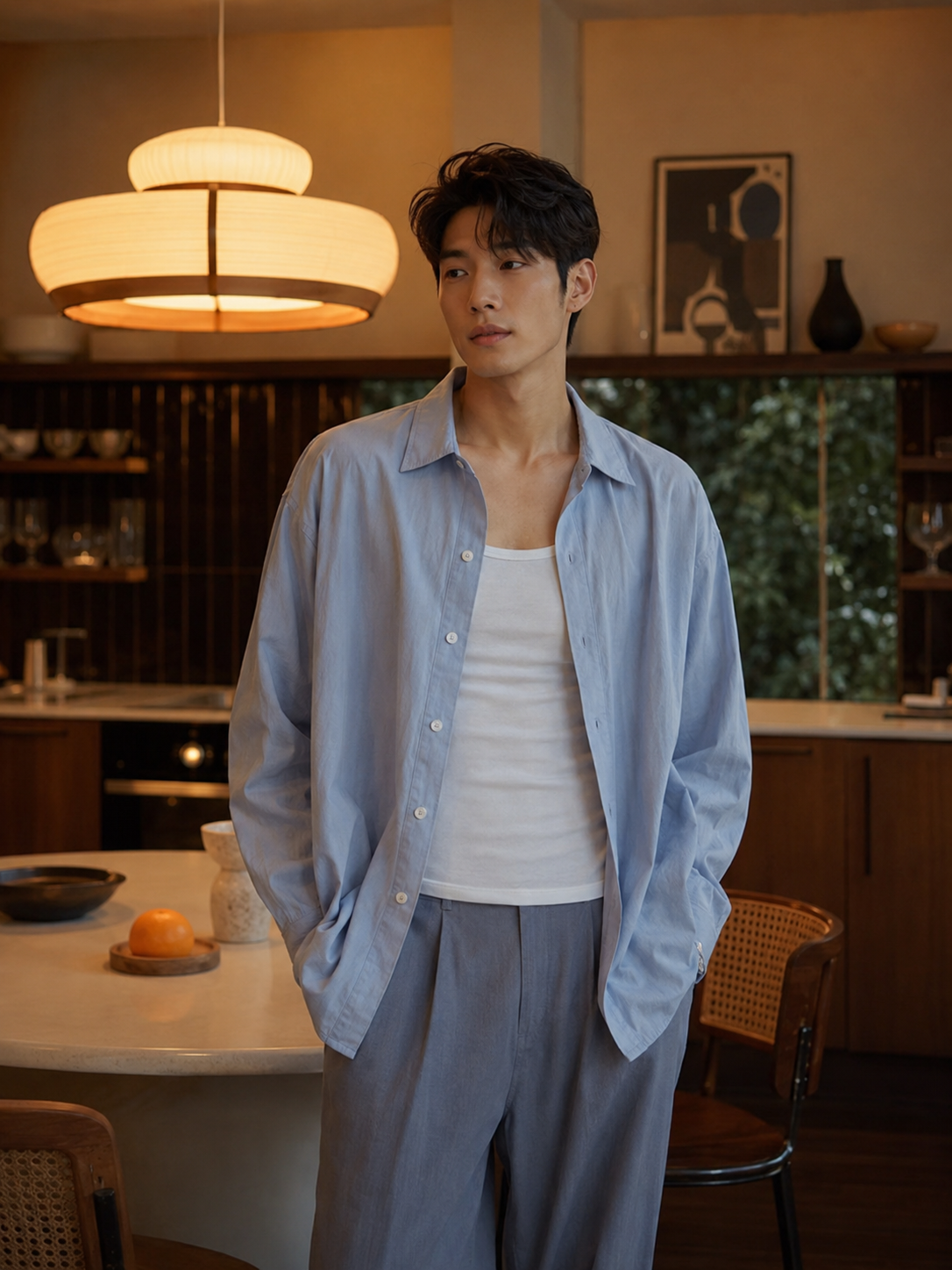
Every brand starts the same way: a handful of products, a handful of photos, each one art-directed by hand because there's time to do that. The trade-off in this piece doesn't show up yet at that stage — it shows up once a catalogue crosses somewhere around 30–50 SKUs, when "art-direct each photo individually" stops being a workflow and starts being the bottleneck that decides how fast new products can go live.
The stakes are higher than "some photos look nicer than others." A widely cited Demand Metric/Lucidpress study on brand consistency found that presenting a brand consistently across all touchpoints can increase revenue by as much as 23% — and product photography, viewed across dozens or hundreds of listings, is one of the largest and most visible touchpoints a catalogue-based brand has. Separately, Baymard Institute's usability research found that only 25% of ecommerce sites provide images sufficient for shoppers to properly evaluate a product, with mismatched, ad hoc photography a recurring driver of that shortfall.
Sources: Demand Metric / Lucidpress, "The Impact of Brand Consistency." Baymard Institute — baymard.com/learn/ecommerce-cro.
Put together, those two findings point at the same conclusion from different directions: a catalogue that looks coherent converts better than one that doesn't, and getting there by hand doesn't scale. That's exactly the problem preset-based AI generation exists to solve — and exactly where custom, art-directed generation starts to work against a brand instead of for it.
A studio preset is a saved scene recipe — background, lighting direction, camera angle, prop style — captured once and reapplied automatically to every new product photo. The brand defines the look a single time; every SKU that runs through it inherits the same visual system without anyone re-briefing the tool. Sellable's Studios feature works exactly this way: a named combination of scene "blocks" and an assembled prompt, saved once and reused on any future upload.
Custom generation means writing (or re-writing) an art-direction brief for each image — the specific prop arrangement, the exact lighting mood, a one-off creative concept. Flair AI, from the earlier lifestyle photography platform comparison, is built almost entirely around this mode: no batch processing, full compositional control, one considered image at a time.
Neither approach is objectively better — they're solving different problems. The mistake is applying the wrong one to the wrong stage of a catalogue's life.
Presets win on:
- Speed at scale. A new SKU runs through an existing preset in the time it takes to upload a photo — no new brief, no new decision.
- Cross-catalogue consistency. Every product shares the same background, lighting, and framing by construction, not by careful manual matching.
- Predictable cost and time. Adding the 500th product costs the same effort as the 5th.
Presets lose on:
- Visual sameness. A catalogue that's meant to feel varied — a fashion brand's seasonal drops, for instance — can start to feel monotonous if every product runs through the identical scene with no variation.
- Fit for unusual products. A preset tuned for bottles doesn't necessarily flatter furniture or jewelry; a one-size-fits-all recipe strains at the edges of a diverse catalogue.
Custom generation wins on:
- Creative ceiling. A single, carefully art-directed hero image can look genuinely editorial in a way no preset produces by default.
- Differentiation. A campaign or flagship image that's meant to stand out benefits from not looking like everything else on the site.
Custom generation loses on:
- Consistency at volume. Fifty individually art-directed images, even from the same brand brief, drift from each other in ways a preset never would — different framing instincts, different lighting choices session to session.
- Time and cost per image. Every image is a fresh decision, which is fine for five hero shots and unworkable for a 500-SKU catalogue.
Sellable turns a single product photo into studio-quality images, cinematic video, and on-brand campaigns — in under 60 seconds.
Get started free →Sellable leans preset-first by design — Studios are saved, reusable scene recipes applied to any new upload, which is the direct mechanism behind keeping a growing catalogue visually coherent without re-briefing every image. It doesn't lock a brand out of one-off scenes; presets are just the default path for volume.
Booth.ai offers preset-style scene generation as well, though its deeper customization and batch tooling sit behind its higher Pro tier rather than the entry plan.
Flair AI sits at the custom end of the spectrum — no batch mode, and its entire value proposition is art-directed control over a single composition rather than a repeatable recipe.
Claid.ai applies the preset logic programmatically: rather than a visual preset picker, its API lets a catalogue-management system define the same transformation rules and apply them at whatever scale the integration calls for. See the fuller rundown in Best AI Product Photography Tools in 2026.
In practice, the brands that get this right don't pick one mode exclusively — they split the catalogue by purpose. The bulk of SKUs, and every new product added going forward, runs through a small number of saved presets that keep the site visually unified; that's the approach behind generating a full catalogue's images in one batch pass or standardizing photos across 500 SKUs. A short list of hero images — homepage banner, a seasonal campaign, a flagship product — gets pulled out for custom, art-directed treatment, because those specific images are meant to stand apart rather than blend in.
That split mirrors how traditional studio production has always worked, just compressed: a catalogue shoot runs one lighting setup all day for consistency and speed, while the campaign hero shot gets its own dedicated session. AI tooling didn't invent that distinction — it just made the catalogue side of it fast enough that most small brands can now afford to run it properly instead of skipping it.
Does preset-based generation look repetitive to shoppers?
Only if the preset itself is poorly chosen for the product category — a preset that suits the brand's actual products (tested on a representative sample first) reads as coherent, not repetitive, in the same way a real studio's fixed lighting rig doesn't feel monotonous across a catalogue shoot.
Can I mix presets and custom shots on the same site?
Yes, and most scaled brands do — presets for the catalogue body, custom art-directed images reserved for a handful of hero or campaign assets, as described above.
How many presets does a typical brand actually need?
Usually one to three: one for the primary studio/white-background shot, and one or two lifestyle variants if the catalogue spans different use cases (e.g., an indoor and an outdoor scene). More than that usually signals the presets aren't broad enough rather than that more are needed.
Do preset tools support seasonal refreshes?
Yes — a preset is a saved recipe, not a permanent one. Updating it for a seasonal look (holiday styling, a new backdrop color) applies the refresh across every future generation without touching past images.
Which approach is cheaper at 500+ SKUs?
Presets, by a wide margin — the per-image effort stays flat as the catalogue grows, where custom generation's per-image time cost multiplies directly with SKU count. Custom generation only makes sense at that scale for a small, deliberately chosen set of hero images, not the catalogue as a whole.
Bulk & Automation Bulk & Automation Bulk & Automation Bulk & Automation Bulk & Automation Bulk & Automation Bulk & Automation Bulk & Automation Cost & Comparisons Product Description Generator Hashtag Generator Ad Headline Generator Product Title Generator Product Bullet Point Generator Collection Description Generator Facebook Ad Copy Generator TikTok Ad Script Generator Google Shopping Ad Generator Sign up for free and transform your product photography with Sellable.
Get started for free