
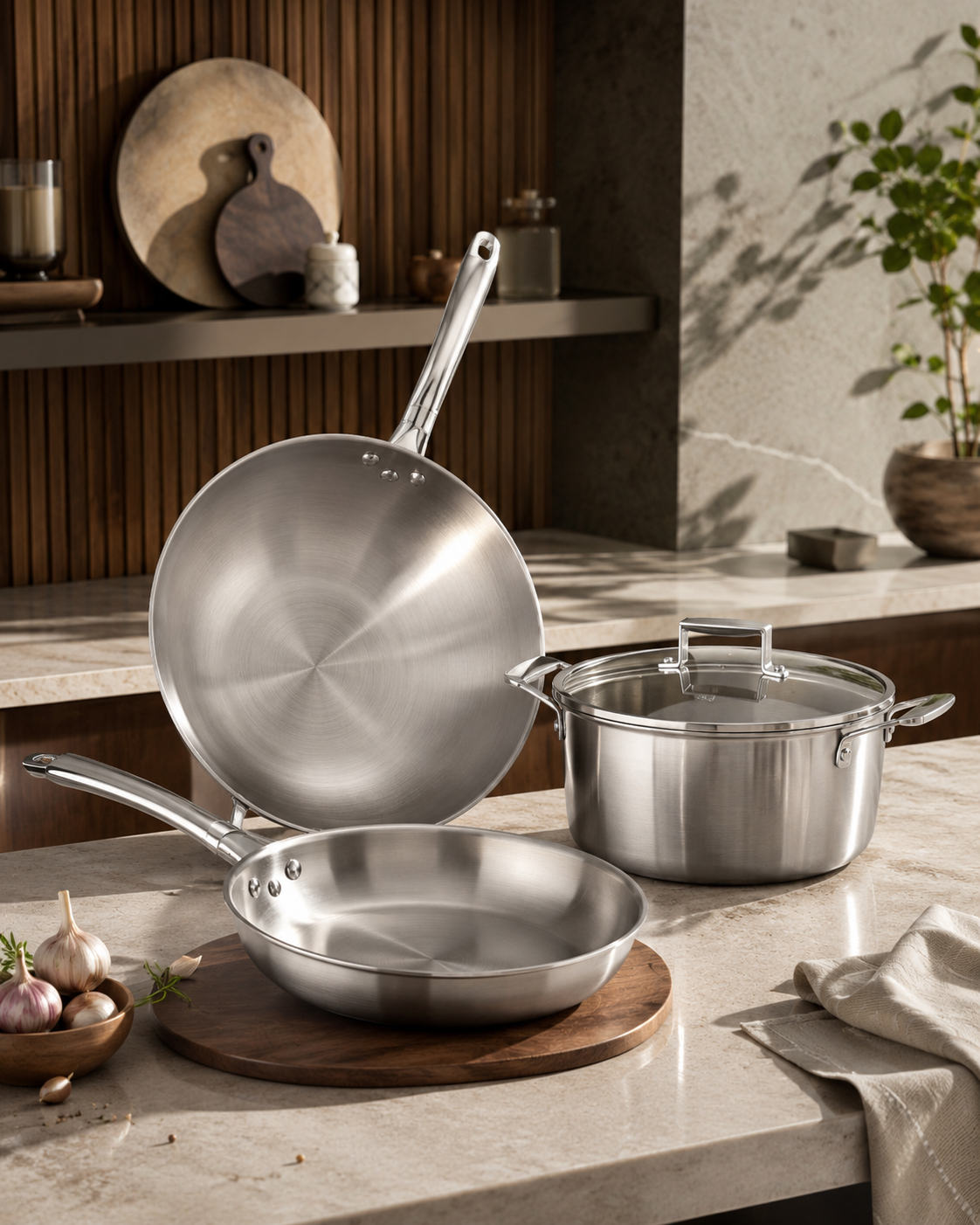
 Kitchen
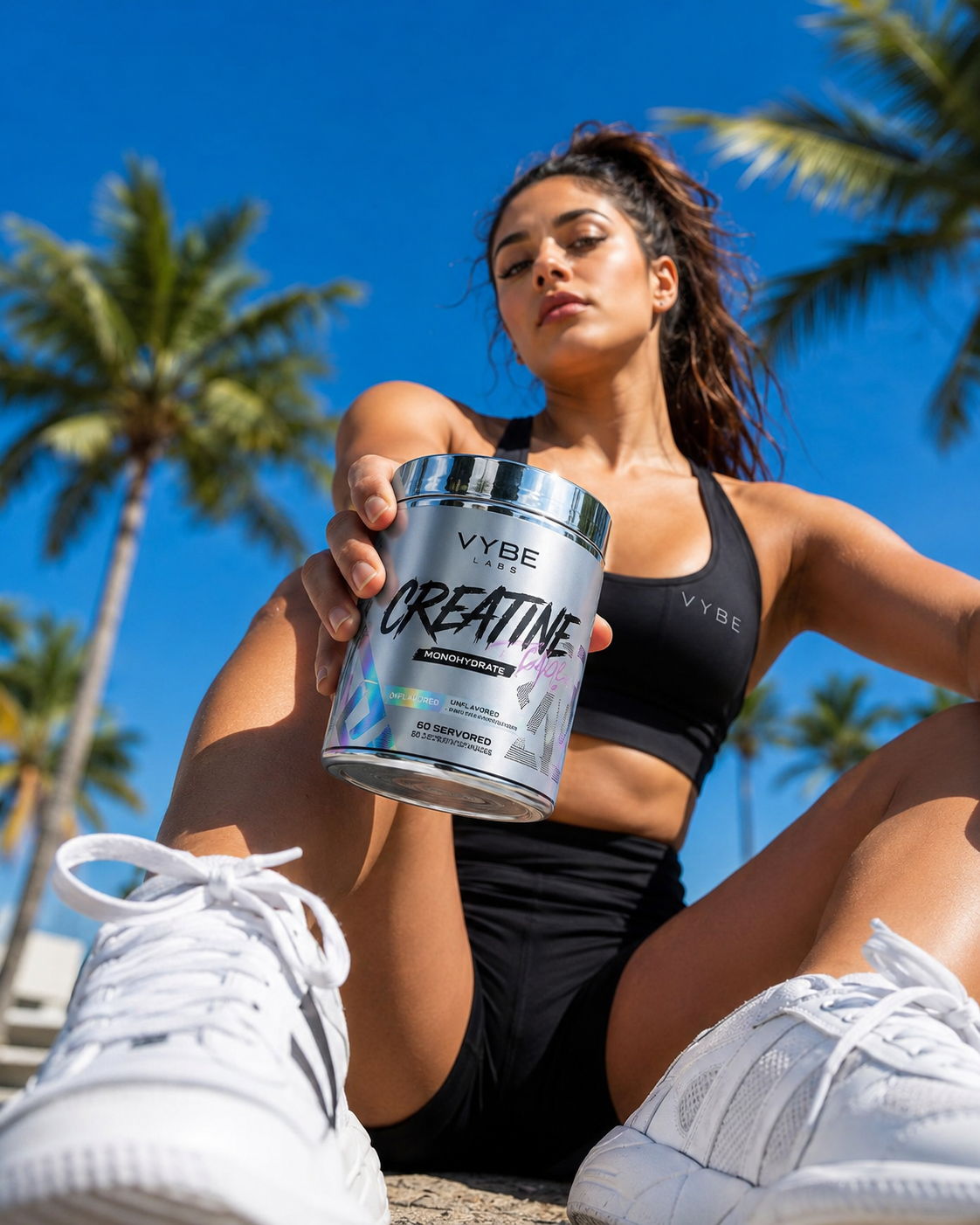 Supplements
 Skincare
 Fragrance
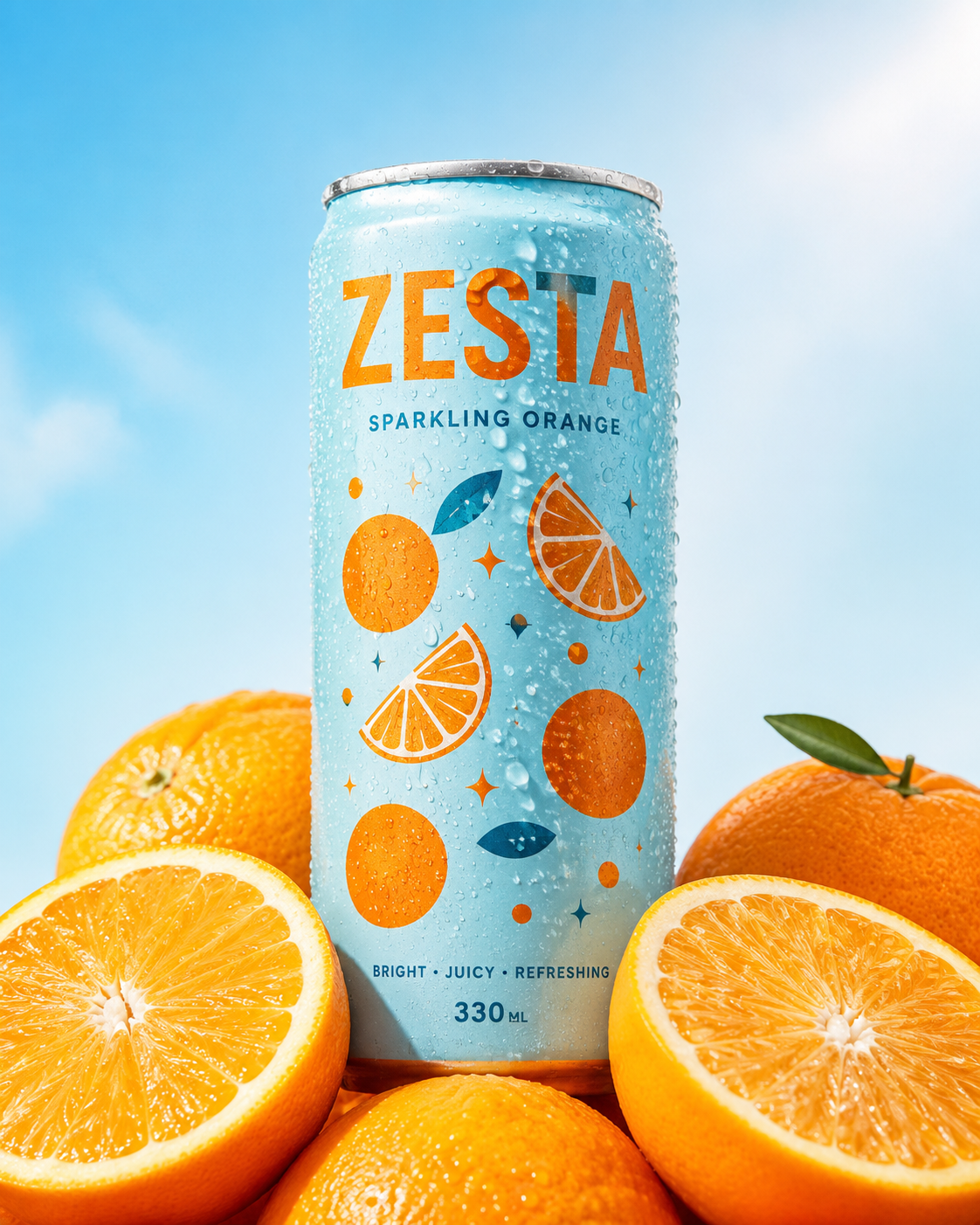 Beverages
 Active Apparel
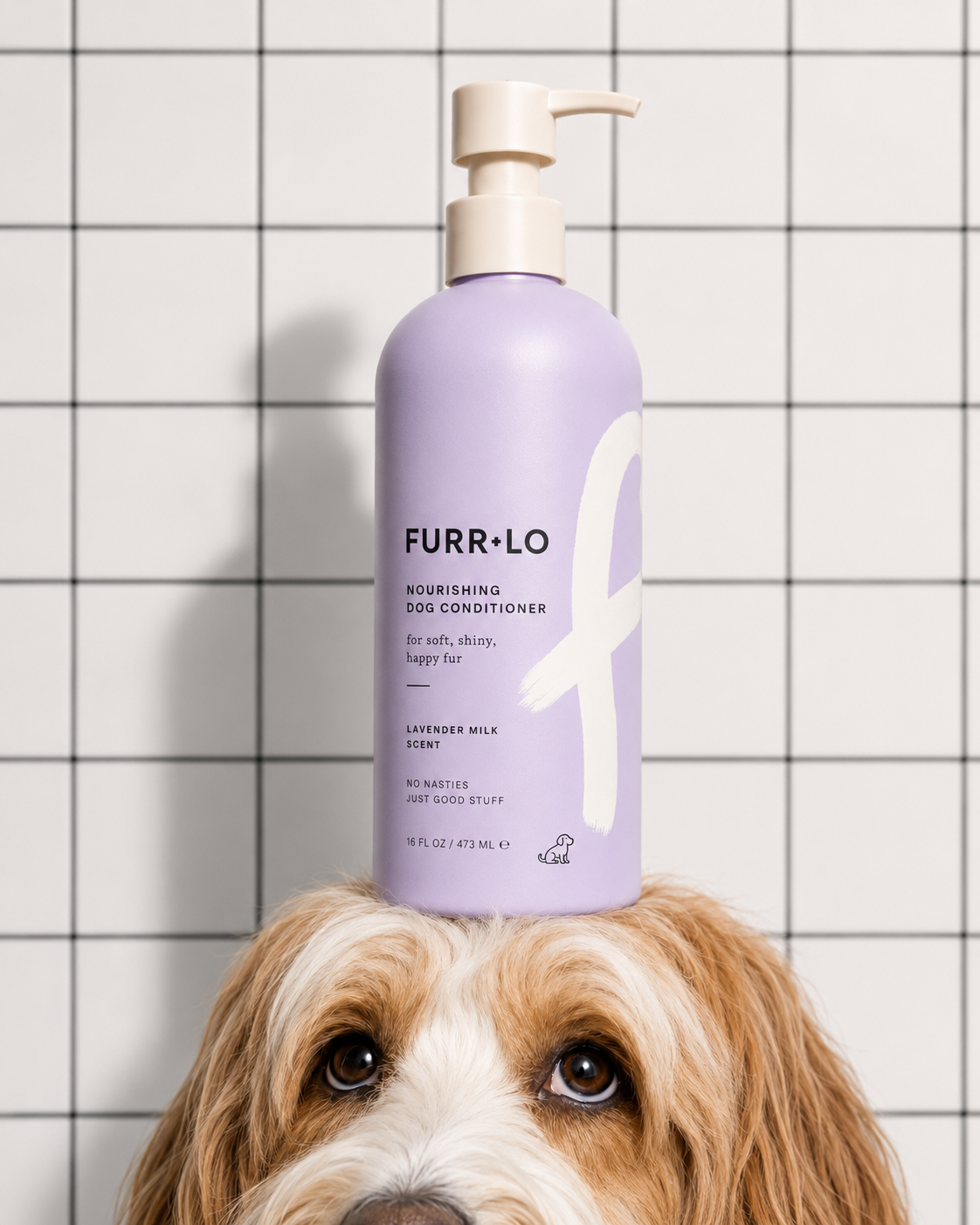 Pet Supplies
 Cleaning
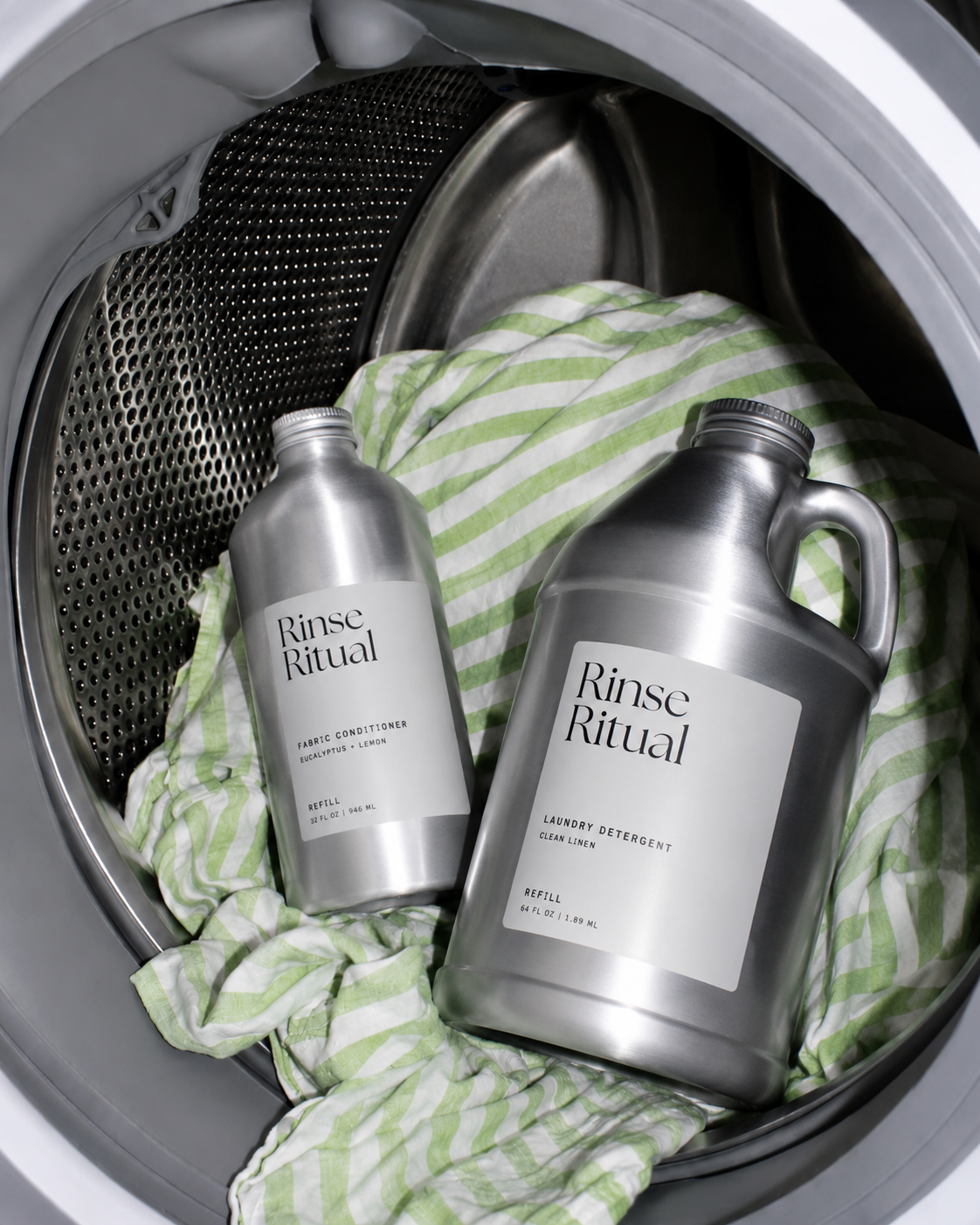 Laundry
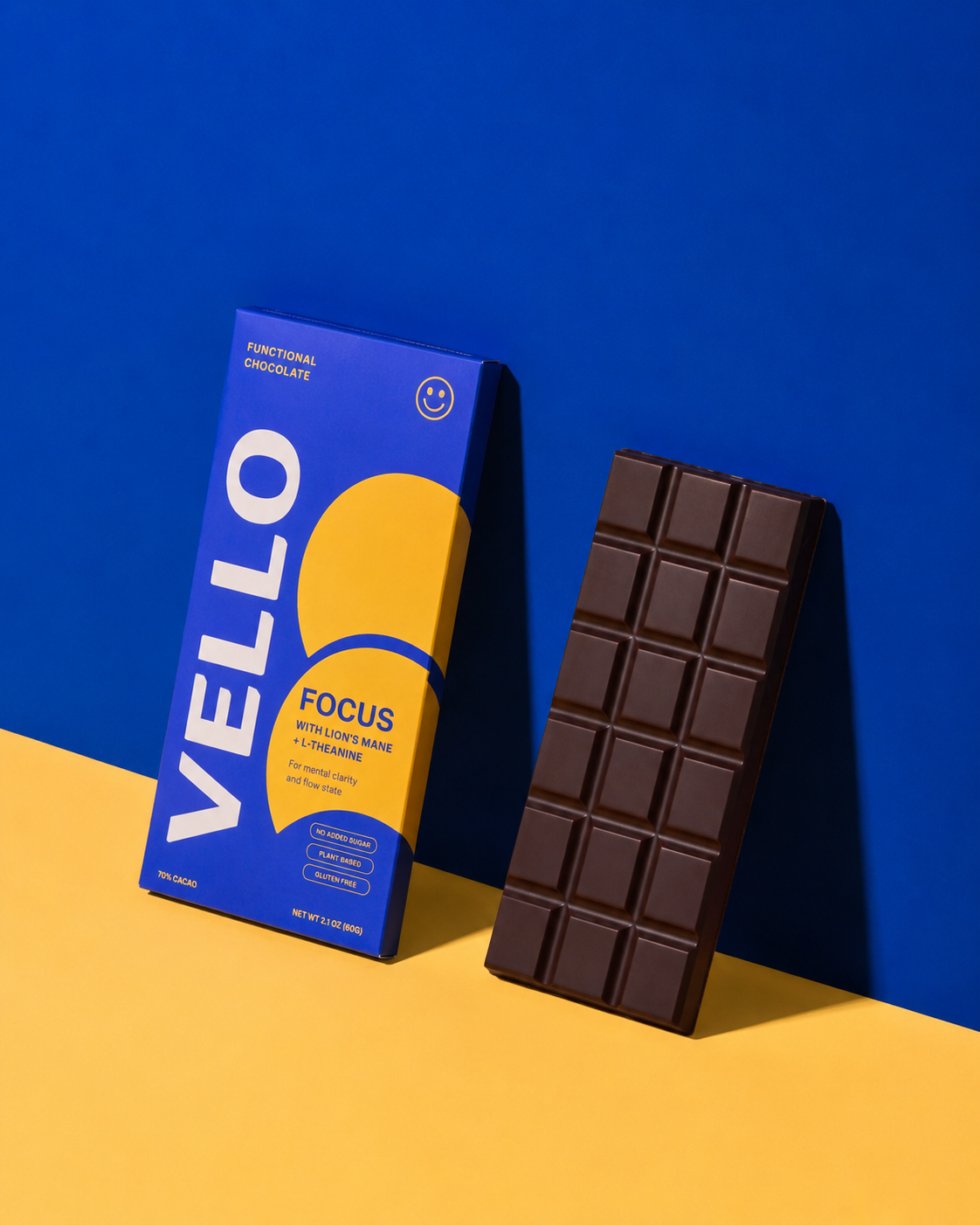 Food & Snacks
Features
Everything your catalog needs
to load faster and rank higher.
Intelligent Compression
68% smaller files. Zero visual quality loss.
Up to 68% smaller files. No visible quality loss. Pages load faster.
Try it freeModern Format Conversion
WebP and AVIF. Automatic browser delivery.
WebP and AVIF with automatic JPEG fallback. Loads 2× faster than JPEG.
See examplesResponsive Image Sets
The right size for every screen, delivered automatically.
Right image size for mobile, tablet, and desktop — served automatically by the browser.
Start freeBulk Catalog Processing
Optimize your entire catalog in one run.
Thousands of images processed at once — compression, formats, alt text, and naming.
See pricingProven results, real impact
Optimizing catalog imagery drives measurable improvements in page speed, search ranking, and conversion — across every device and connection type.
Smaller files with identical visual quality — faster loading on every device.
Product pages load twice as fast after catalog image optimization.
Faster Core Web Vitals scores drive measurable improvements in Google ranking.
Zero visible quality degradation — only invisible data is removed.
The problem
Unoptimized product images are costing you traffic, ranking, and sales — every day.
The problem
Large image files are killing your page speed and search ranking
The average e-commerce product page has 15–30 images. If those images are uncompressed JPEGs, the total page weight can exceed 5MB — making load times of 6–10 seconds common on mobile. Google's Core Web Vitals scores drop, your search ranking falls, and mobile shoppers abandon before the page has loaded.
Sellable compresses every catalog image using perceptual optimization — reducing file size by an average of 68% without any visible quality loss. The same images, at a fraction of the weight. Pages that loaded in 8 seconds load in under 2.
The problem
You're serving JPEG to browsers that can handle WebP and AVIF
Most modern browsers — Chrome, Safari, Firefox, Edge — support WebP and AVIF, image formats that are 30–50% smaller than JPEG at identical visual quality. But if you're not serving these formats, every visitor is downloading a JPEG unnecessarily, adding to load time and bandwidth cost.
Sellable converts your catalog to WebP and AVIF automatically, with intelligent JPEG fallback for browsers that don't support modern formats. Every visitor gets the optimal format for their browser — smaller files, faster loading — without any manual format management.
The problem
Your images aren't responsive — every device gets the same oversized file
A desktop product image at 2000×2000 pixels is the right size for a large monitor. It's 8× larger than needed on a mobile phone. Without responsive images, every mobile visitor downloads 8× more image data than they need — slowing load times and wasting bandwidth on every mobile visit.
Sellable generates srcset-ready responsive image variants for every product — the correct size for mobile, tablet, and desktop, delivered automatically by the browser. Mobile visitors get mobile-sized images. Desktop visitors get desktop-sized images. No waste, maximum speed.
Customer stories
"We processed 4,200 product images with Sellable over a weekend. Page load time dropped from 7.2s to 2.1s on mobile. Google Search Console showed a 28% improvement in organic clicks within 6 weeks. The ROI on this was enormous."
FAQ
Frequently asked questions
How much does image optimization actually impact page speed?
Significantly. Images are typically the largest elements on e-commerce product pages, often accounting for 60–80% of total page weight. Reducing image file sizes by 60–70% (which Sellable achieves without visual quality loss) typically cuts total page load time by 30–50%. Google's Core Web Vitals metrics — which directly influence search ranking — are heavily influenced by image load performance.
Does compressing product images affect their visual quality?
Not with Sellable's approach. Traditional lossy compression reduces file size by discarding visual data — which degrades quality. Sellable uses perceptual optimization: it retains all the visual data that's perceptible to the human eye, while removing sub-perceptual data that adds file weight without adding visible quality. The result is images that are indistinguishable from the originals but substantially smaller.
What's the SEO impact of faster image loading?
Google confirmed in 2021 that Core Web Vitals — which include Largest Contentful Paint (LCP), typically triggered by the hero product image — are a ranking factor. Pages that load faster rank better, all else being equal. Sellable customers have seen an average 23% improvement in organic search ranking for product and category pages after optimizing their catalog imagery.
Can Sellable optimize images that are already live on our website?
Yes. You can export your existing product images, process them through Sellable, and upload the optimized versions back to your platform. Sellable can also integrate with your CDN or image hosting to process images directly. The original filenames and directory structure are preserved so replacement is straightforward.
What about alt text optimization?
Sellable generates descriptive, SEO-informed alt text for every product image — based on the product name, category, and key visual features. Alt text is both an accessibility requirement and an SEO signal. Sellable's alt text generation follows best practices: descriptive, concise, keyword-relevant, and free of keyword stuffing.
How does catalog image optimization affect mobile conversion?
Mobile shoppers on slower connections abandon pages that take more than 3 seconds to load. Large, unoptimized product images are the most common cause of slow mobile load times. Sellable's responsive image optimization reduces mobile image weight by 70–80% on average — cutting load times to under 1.5 seconds on 4G connections and significantly reducing mobile bounce rate.