User-generated content ads — creative that looks like it was made by a real customer rather than a brand — consistently outperform polished, branded creative in paid social performance metrics:
The reason is psychological: buyers trust other buyers more than they trust brands. A creative that looks like a friend talking about a product they genuinely like bypasses the sales resistance that polished brand ads trigger.
The traditional barrier to UGC has been the cost and complexity of managing a creator programme: finding creators, sending products, briefing, reviewing, chasing deliverables, and managing usage rights. AI changes this entirely.
Full AI UGC ad production requires a few tools working together:
1. AI product imagery (Sellable)
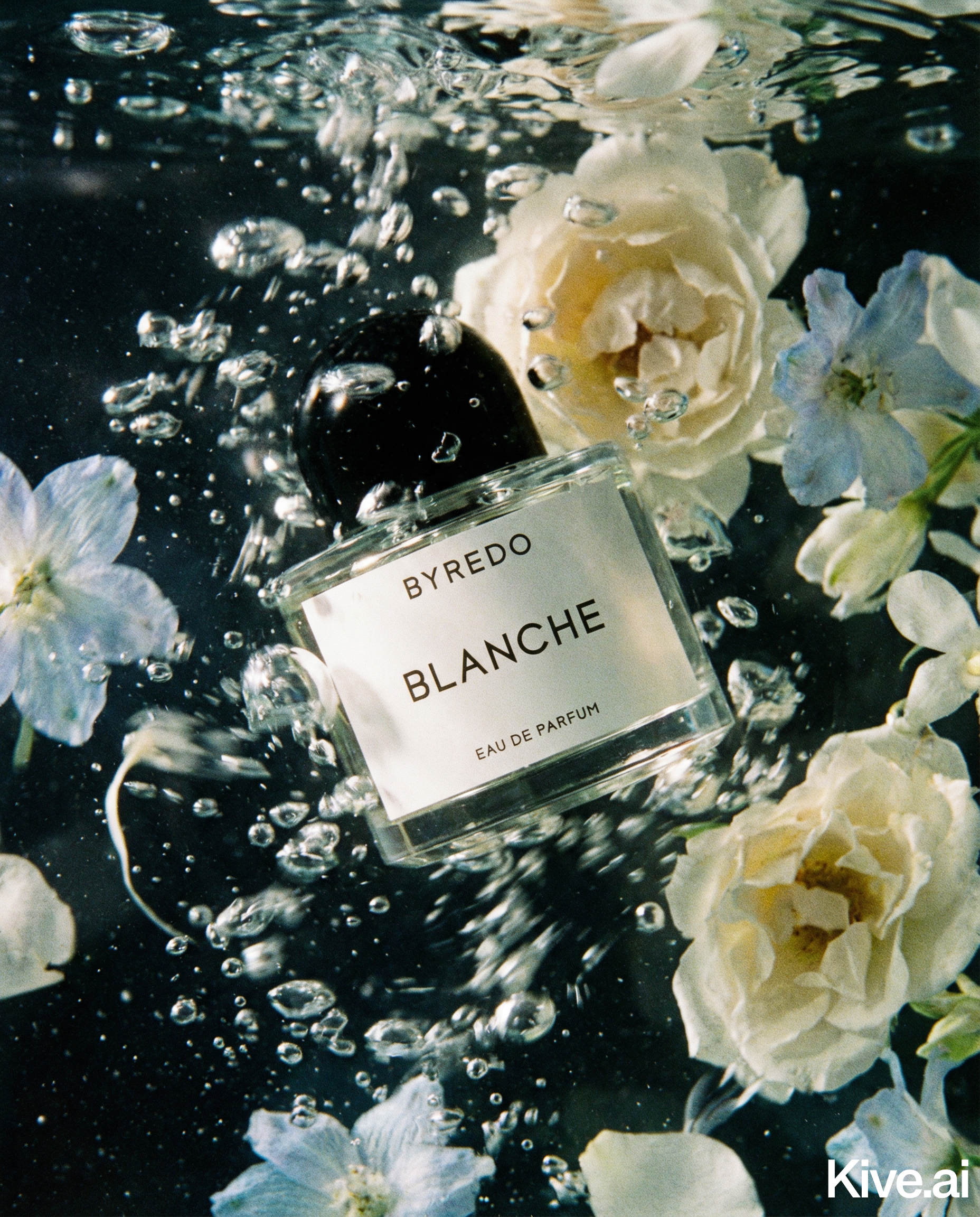
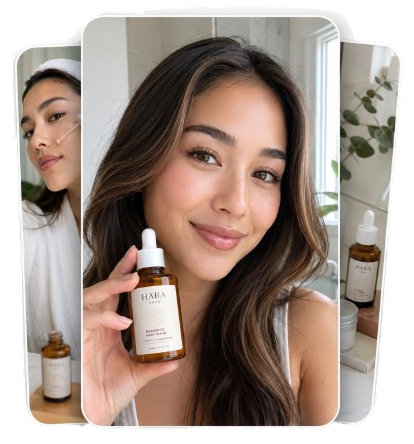
Generate authentic-looking product images — not studio-perfect, but lifestyle shots that look like they could have been taken by a real customer. Key aesthetic: slightly imperfect, human scale, natural light.
2. AI video / avatar tools
Tools like HeyGen, Synthesia, and Captions allow you to create talking-head UGC video with AI avatars or with your own face using a brief recording. These tools generate the human narration component of a UGC video ad.
3. Scripting
UGC ads follow a tight format: hook (3 seconds), problem/context (5–10 seconds), product introduction (5 seconds), benefit proof (5–10 seconds), CTA (3 seconds). Total: 25–35 seconds.
4. Assembly
Combine the AI product imagery with the AI video narration using a basic video editor (CapCut, DaVinci Resolve, or in-platform editing in TikTok or Meta Ads Manager).
The visual foundation of a UGC ad is an image that looks like a real person took it. This means:
In Sellable, use prompts that describe real-world environments with natural light:
The goal is images that don't look like they came from a photoshoot.
The script is what makes UGC ads work. Follow this formula:
Hook (0–3 seconds): A statement or question that identifies the target buyer's specific pain - "If your Shopify product photos look like this..." (show bad example) - "I was spending $2,000 a month on product photography until I found this" - "Amazon rejected my listing AGAIN because of my photos — until I did this"
Problem (3–12 seconds): Validate the pain and set up the product - "I have 50 products and no budget for a studio. Every time I tried to do it myself it looked terrible..."
Product intro (12–17 seconds): Introduce the product naturally - "Then someone in our Shopify seller community mentioned [product]..."
Proof (17–27 seconds): Show the before/after and name the specific benefit - "I uploaded one product photo and got 10 images back in under a minute. Here's what they looked like..." - Show AI-generated images directly in the ad
CTA (27–30 seconds): Simple and direct - "Link in bio — there's a free trial" - "Try it free, the link is below"
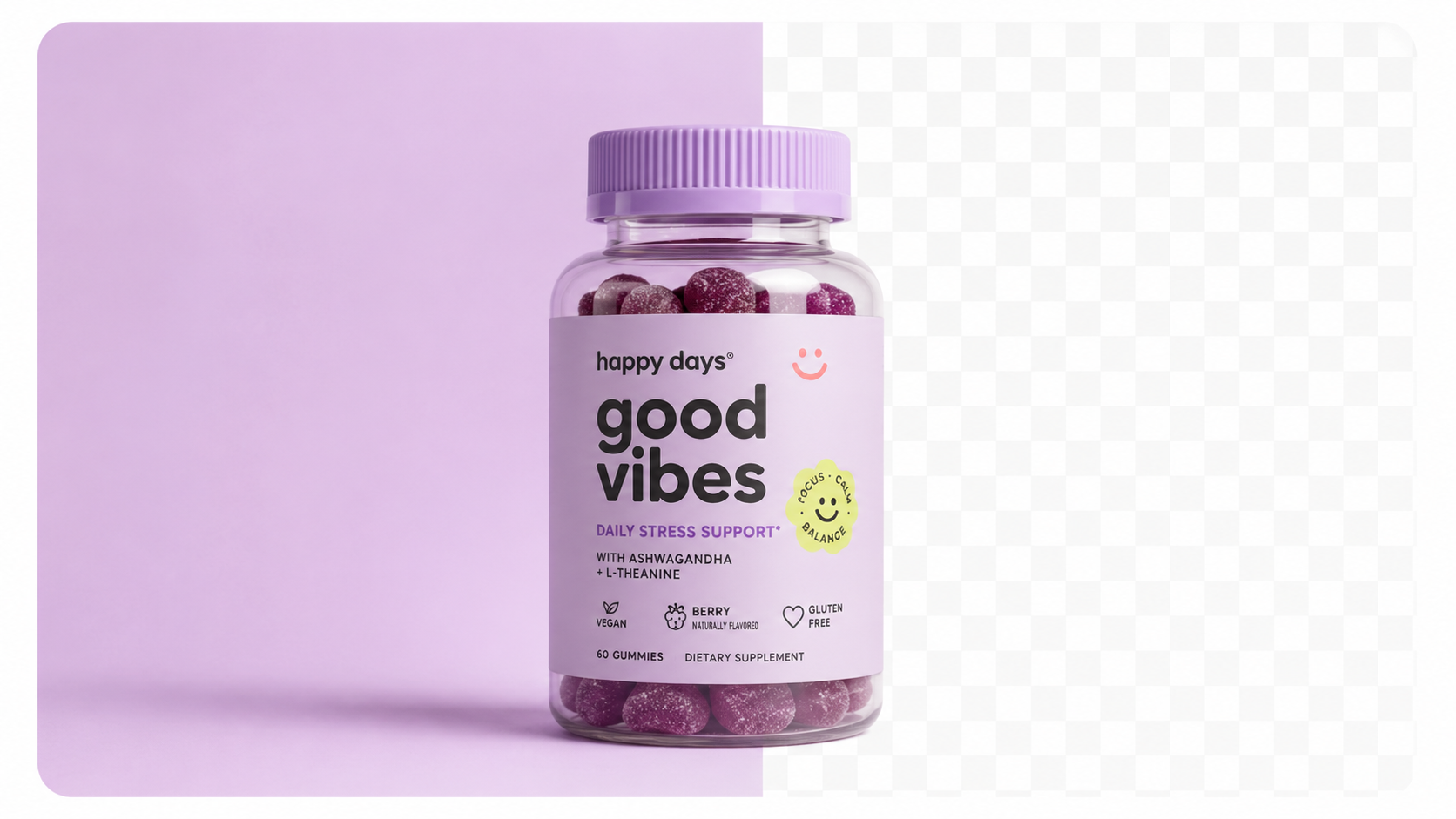
Sellable turns a single product photo into studio-quality images, cinematic video, and on-brand campaigns — in under 60 seconds.
Get started free →Use a UGC video tool:
Combine: 1. Hook visual (bad product photo or problem statement) 2. Product images generated by Sellable 3. Narration video / voiceover 4. Text overlays for key claims 5. CTA card
Export in 9:16 (TikTok/Reels), 1:1 (Meta feed), and 16:9 (YouTube/Twitter) versions from a single assembly.
Sellable is the product imagery layer of an AI UGC stack. It generates the authentic-looking lifestyle images that make UGC ads visually compelling — without the need for a photoshoot, a stylist, or a real customer to photograph a product.
For UGC ads specifically, Sellable enables:
*"We run UGC ads across 40 SKUs on Meta. Before Sellable, we could only afford to shoot creative for our top 5 products. Now we have authentic-looking lifestyle content for everything."* — Jordan M., DTC brand director
*"Our best-performing Facebook ad of 2025 used Sellable-generated images and an AI avatar script. ROAS was 4.8. The 'authenticity' of AI-generated lifestyle images is completely credible to buyers."* — Chloe P., supplements brand
*"I used to spend $800 per creator for UGC. Now I generate the visual assets with Sellable, write the script myself, and record on my phone. Cost per creative: under $10."* — Marcus R., Shopify seller
Upload your product. Pick a style. Get ad-ready photos →
Keep it slightly imperfect
The biggest mistake brands make with AI UGC is making it look too good. Use Sellable lifestyle prompts that produce realistic, natural settings — not pristine studio compositions. UGC authenticity lives in the imperfection.
Lead with the pain, not the product
The hook should address a frustration your target buyer has had. "This is what most product photos look like" performs better than "Try this new product." Sell the relief, not the feature.
Show the output, not just the input
UGC ads for photography tools perform extremely well with a simple before/after structure. Show the unedited product photo, then cut to the AI-generated lifestyle images. Viewers immediately understand the value without needing explanation.
Use real platform-native formatting
Create and export ads in native platform formats. TikTok and Reels reward content that looks natively created on mobile. Add captions (auto-generated is fine), use TikTok's native text styles, and keep the aspect ratio correct.
A/B test everything
UGC creative has high variance. An ad that works extraordinarily well for one audience may underperform for another. Test 3–5 different hook variations and let the data determine the winner before scaling spend.
Is AI-generated UGC content allowed on Meta and TikTok?
Yes. Both platforms require disclosure for AI-generated content in certain contexts (political advertising, news), but ecommerce product advertising using AI-generated imagery is fully permitted. Check each platform's current AI content policies before running campaigns.
How do I disclose AI-generated content in ads?
For most product advertising, explicit disclosure is not required. However, claiming real customer testimonials from AI avatars without disclosure may violate platform policies. Scripts that say "I tried this" should be from real people or clearly scripted presentations.
Can I use AI avatar narration for Facebook and TikTok ads?
Yes — AI avatar narration is permitted in ecommerce advertising on both platforms. The content policy concern is fake testimonials with false claims, not AI-generated presenters.
How many UGC ad variants should I test?
Start with 3–5 variants that differ in the hook. The hook determines 80% of an ad's performance — test hooks aggressively before changing other elements. Use a minimum $50–$100 daily budget per variant for the first 5 days to get meaningful data.
What product categories perform best with UGC-style ads?
Health and wellness, beauty and skincare, fitness, food and beverage, and home goods consistently see the best UGC performance on Meta and TikTok. These are categories where social proof is a primary purchase driver.
How often should I refresh UGC creative?
Creative fatigue on Meta typically sets in after 3–5 weeks of significant spend. Plan to refresh your top-performing UGC creative every 4 weeks — new hook, same core messaging. AI generation makes this operationally trivial.
AI Workflow AI Workflow AI Workflow AI Workflow AI Workflow Platform Guides Bulk & Automation Platform Guides Conversion Psychology Product Description Generator Hashtag Generator Ad Headline Generator Product Title Generator Product Bullet Point Generator Collection Description Generator Facebook Ad Copy Generator TikTok Ad Script Generator Google Shopping Ad Generator Sign up for free and transform your product photography with Sellable.
Get started for free