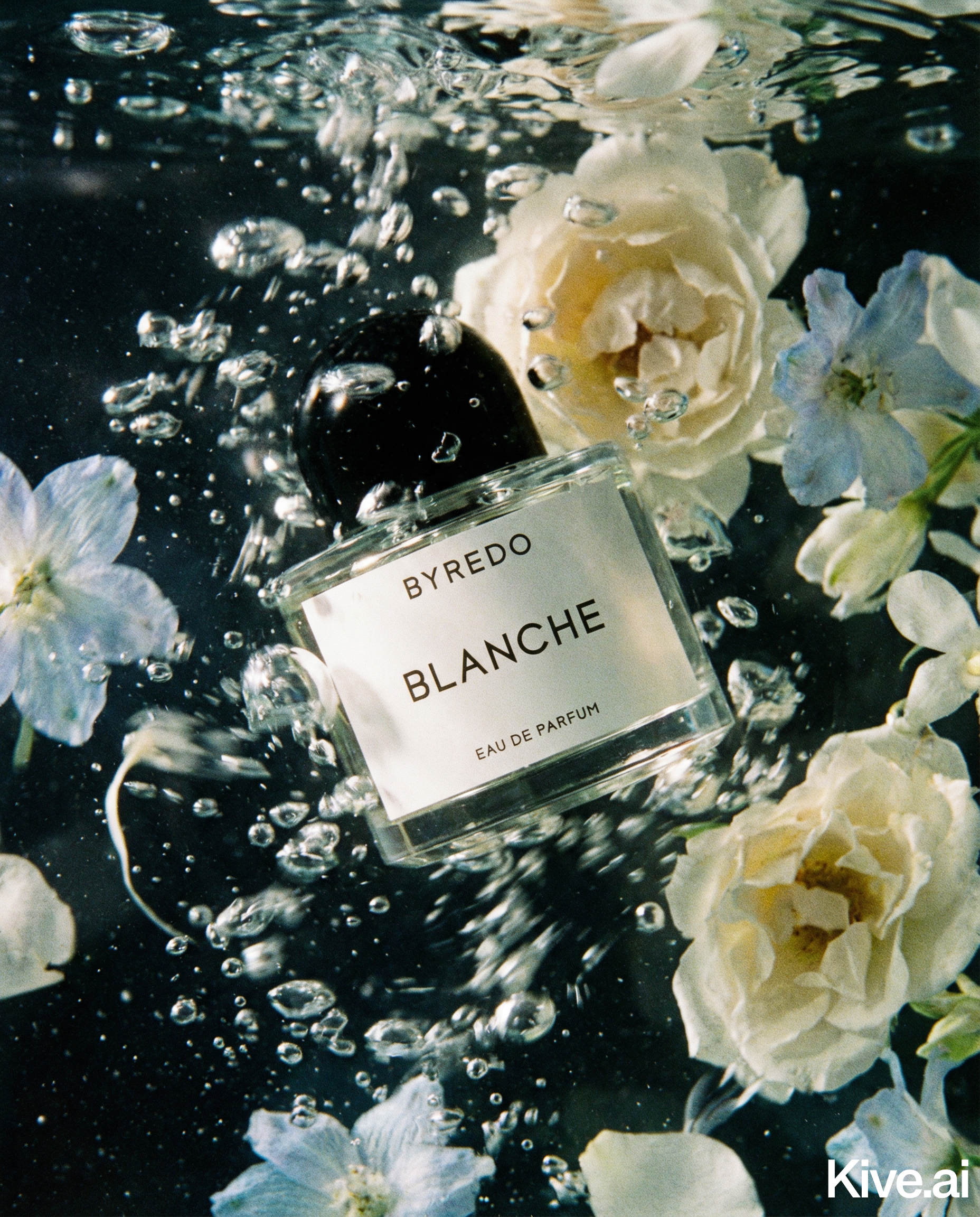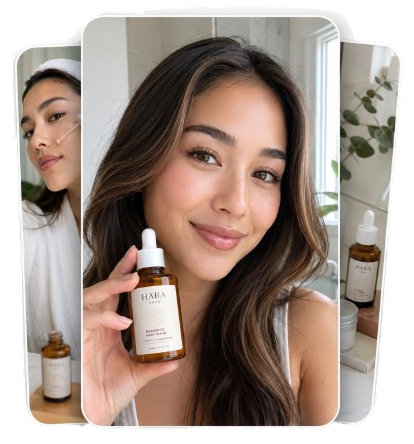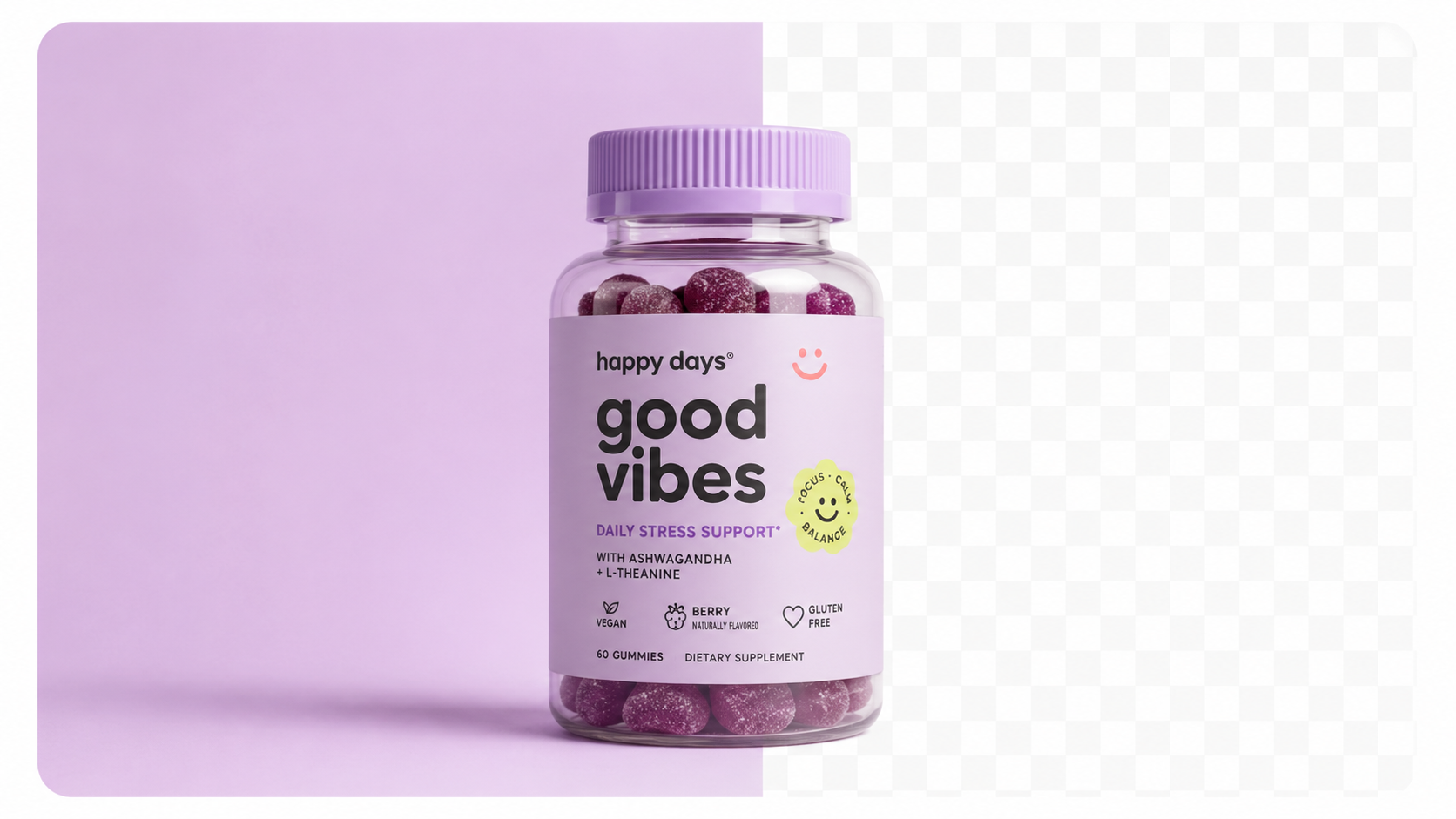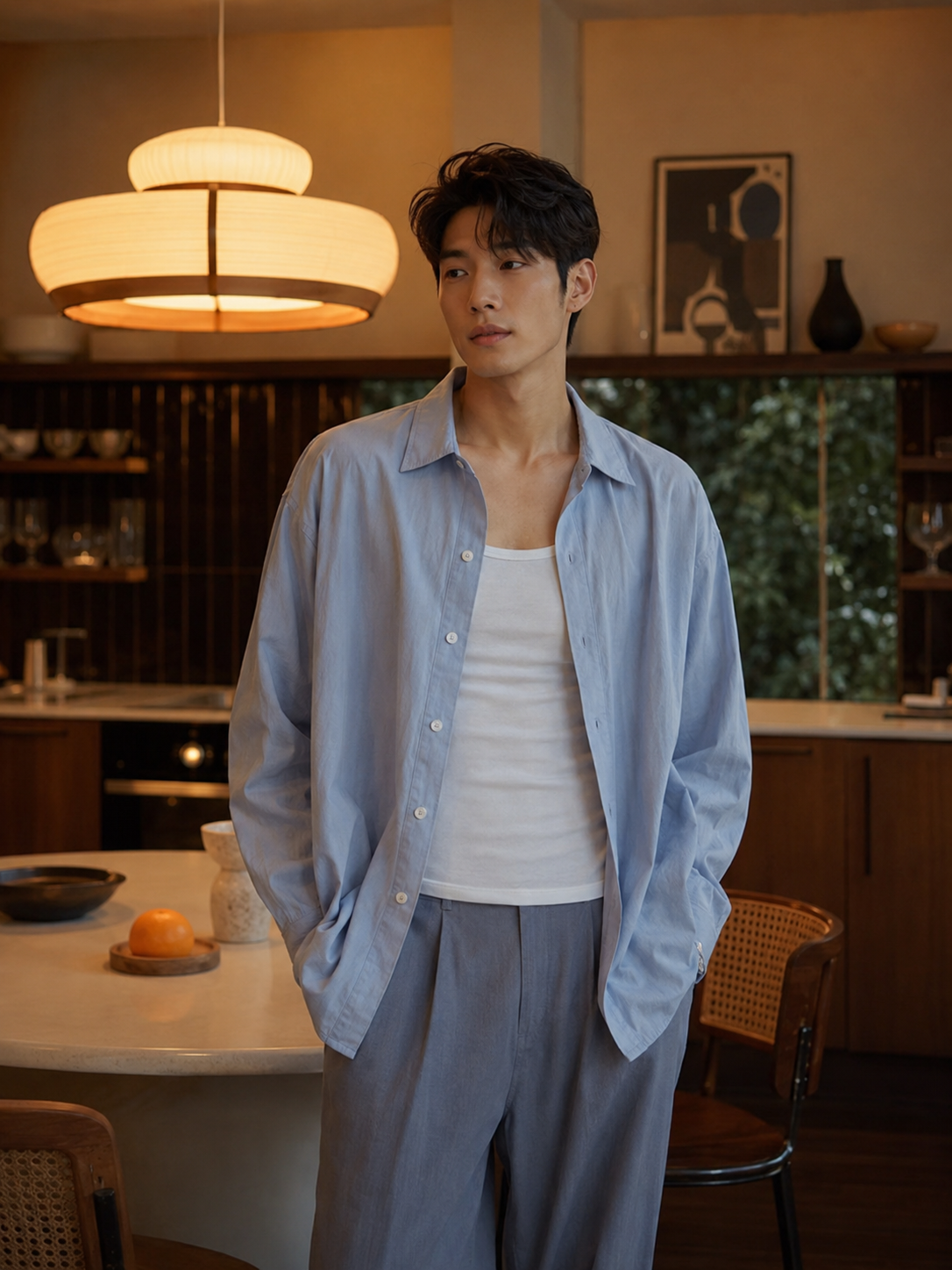
The economics of AI vs traditional product photography are not close. Here's a side-by-side breakdown at realistic 2026 market rates:
| Cost Factor | Traditional Photography | AI (Sellable Pro) |
|---|---|---|
| Per product (10 images) | $150–$300 | ~$0.50–$2 |
| Studio rental (half day) | $400–$800 | $0 |
| Photographer fee | $800–$2,000/day | $0 |
| Stylist/props | $200–$600/session | $0 |
| Post-processing | $20–$50/image | $0 |
| Reshoot if needed | Full session cost | Included |
| Total for 50 products | $7,500–$15,000 | $49–$149/month |
For a brand launching 50 products, traditional photography represents a $7,500–$15,000 investment before a single product page goes live. At that same budget, AI generates images for every product in your catalogue for 3–5 years.
Data source: Bureau of Labor Statistics, Occupational Outlook for Photographers, 2025; average studio rental rates via StudioNow marketplace survey, Q1 2026.
Traditional photography operates on a timeline that simply doesn't match modern ecommerce launch cadences:
| Stage | Traditional | AI |
|---|---|---|
| Booking lead time | 1–3 weeks | Immediate |
| Shoot day | 1 full day (10–20 products) | N/A |
| Post-processing | 1–2 weeks | Seconds |
| Revision rounds | 3–5 days per round | Real-time |
| Total time to final images | 3–6 weeks | Under 1 hour |
For Shopify merchants and Amazon sellers who need to move fast — responding to trends, launching seasonal collections, or adding new SKUs — a 3–6 week photography pipeline is a serious growth constraint.
Quality is where traditional photography defenders make their strongest case — and where AI has made its most significant advances in 2026.
Where AI matches or exceeds traditional photography:
- White background studio shots for marketplace listings
- Lifestyle scene generation for most product categories
- Colour accuracy for most materials (packaging, fabric, plastic, ceramic)
- Batch consistency — every image in a set has identical lighting and framing
- Resolution — AI outputs at 4K, matching professional camera output
Where traditional photography still leads:
- Real human models in complex lifestyle interactions
- Ultra-premium materials (fine jewellery, bespoke leather, hand-crafted goods)
- Art-directed brand campaigns requiring creative director input
- Unique, once-in-a-brand-moment hero imagery
The honest assessment: for 85–90% of ecommerce content needs, AI quality is at parity with or better than mid-tier studio photography. The remaining 10–15% — hero campaigns and human lifestyle — still benefits from traditional photography.
Side-by-side quality verdict by content type:
| Content Type | AI Quality | Traditional Quality | Winner |
|---|---|---|---|
| White background listing | ⭐⭐⭐⭐⭐ | ⭐⭐⭐⭐⭐ | Tie |
| Lifestyle scene | ⭐⭐⭐⭐ | ⭐⭐⭐⭐⭐ | Traditional (slight) |
| Close-up detail | ⭐⭐⭐⭐ | ⭐⭐⭐⭐⭐ | Traditional (slight) |
| Batch consistency | ⭐⭐⭐⭐⭐ | ⭐⭐⭐ | AI |
| Seasonal variants | ⭐⭐⭐⭐⭐ | ⭐⭐ (cost prohibitive) | AI |
| Human lifestyle | ⭐⭐ | ⭐⭐⭐⭐⭐ | Traditional |
Sellable turns a single product photo into studio-quality images, cinematic video, and on-brand campaigns — in under 60 seconds.
Get started free →Sellable is the AI photography platform that makes traditional photography optional rather than necessary. For the 85–90% of ecommerce content that AI handles at full professional quality, Sellable delivers it in minutes at a fraction of the cost.
The strategic value: when you stop spending $10,000–$15,000 per quarter on studio photography, that budget goes directly into paid acquisition, product development, or margin. For early-stage and growth-stage ecommerce brands, this reallocation is often transformative.
*"We used to spend $12,000 a quarter on photography. We now spend $149/month on Sellable and $3,000/quarter on one strategic brand shoot. Our total content output tripled."* — Lauren M., DTC brand founder
*"I was skeptical about AI quality until I ran a blind test — I showed our team a set of Sellable images and traditional photos side by side and they couldn't reliably tell the difference."* — Chris B., ecommerce director
*"The consistency you get with AI is actually better than traditional. Every product in our catalogue has the same lighting, the same tone, the same feel. Our photographer could never deliver that at scale."* — Aisha T., Shopify brand manager
Turn one product photo into a full ecommerce shoot →
Use AI (Sellable) for:
- All product listing images (white background, marketplace-ready)
- Lifestyle images for ad creative and product pages
- Seasonal content and campaign variants
- New SKU launches at any volume
- A/B testing different visual styles
- Amazon secondary images and A+ Content
- Social media content at scale
Use traditional photography for:
- Annual or quarterly hero brand campaigns
- Content requiring authentic human models
- Ultra-premium product categories where provenance matters
- Unique one-off creative concepts with art direction
The optimal mix for most ecommerce brands: AI as the default production system for all ongoing content, with a focused traditional photography budget ($5,000–$15,000/year) reserved for hero imagery.
Is AI product photography good enough for luxury brands?
For most luxury ecommerce — premium skincare, jewellery, fashion accessories — AI quality is sufficient for product listings and digital ads. For ultra-luxury (Tier 1 fashion, fine jewellery with bespoke provenance narrative), traditional photography is still preferred for brand positioning reasons rather than pure quality.
How does AI handle reflective products like glass and chrome?
Modern AI tools handle reflective surfaces well for most commercial applications. Extremely complex reflections (cut crystal, mirrored objects) can still produce artefacts. Always test your most challenging product.
Can AI photography be used for print catalogues?
Yes — AI output at 4K (approximately 12 megapixels) is sufficient for most print catalogue formats at standard viewing distances. For very large format printing (A2+), traditional high-resolution photography is preferable.
Do AI-generated images perform as well as real photography in ads?
Performance data from Meta and TikTok shows AI-generated lifestyle images performing at parity with or better than traditional photography in most ecommerce ad categories. The key variable is creative quality, not origin.
Cost & Comparisons Cost & Comparisons Cost & Comparisons Cost & Comparisons Cost & Comparisons Cost & Comparisons Cost & Comparisons Cost & Comparisons Cost & Comparisons Product Description Generator Hashtag Generator Ad Headline Generator Product Title Generator Product Bullet Point Generator Collection Description Generator Facebook Ad Copy Generator TikTok Ad Script Generator Google Shopping Ad Generator Sign up for free and transform your product photography with Sellable.
Get started for free