
The cost of product photography has never been just about the shoot. We surveyed 1,356 e-commerce sellers using Sellable to find out what changes when AI takes over the product photo workflow — and the biggest number they named wasn't on the invoice.
Traditional product photography costs $25–$500 per image depending on complexity, plus $150–$300 per studio hour. A half-day fashion shoot with a model and photographer runs $500–$2,000 before retouching. But that line item is only part of the cost.
For most small business sellers, the bigger number is the time spent editing: a median of 15 minutes per image, repeated across every SKU, every channel update, every seasonal refresh. Multiplied across a growing catalog, that's a part-time job hiding inside a photo workflow.
And right now, that part-time job is getting bigger. Marketplaces are rewarding sellers who publish more often, in more formats, on more channels. TikTok Shop alone grew its US sales by 108% in 2025 to $15.82 billion, and the number of US shops on the platform went from roughly 4,450 in mid-2023 to over 475,000 by mid-2025, according to eMarketer. The pace of new content the average SMB seller is expected to produce has roughly tripled in three years.
The seller's most expensive resource isn't the camera. It's the hour. And time is the new bottleneck.
59% of sellers lost sales to bad product photos. Most never put a number on it.
The findings from our survey are direct: every hour saved on a photo is an hour spent on a product, a channel, or a customer. Time saved is products listed.
The wider context backs this up. The OECD's December 2025 study on AI adoption by SMEs across G7 countries found 70–80% of SME respondents in Germany, Italy, Japan, the UK, and the US cited efficiency gains and enhanced innovation as the primary benefits of generative AI. Small businesses aren't experimenting with AI anymore. They're operating on it.
This report is for SMB sellers and operators making decisions about visual production, content velocity, and where to spend the hours their business has. See how Sellable's pricing fits your stage.
The Image Production Timeline Collapsed
The median seller went from 15 minutes per image to under 5 minutes with Sellable's AI product photography platform. For the majority, that's a 3x speed-up on a daily, repeated task.
The single biggest change Sellable users report isn't a creative one — it's a clock change.
The old workflow, which most sellers will recognise, was a stack of manual steps: cut the background out in Photoshop or a phone editor, find or photograph a backdrop, fix the shadows, retouch the product, and export to the right size for each channel. Median time to a finished image was around 15 minutes, even for sellers who knew what they were doing.
The new workflow looks different. Sellers describe a stack built around AI-powered shortcuts: background removal, AI-generated scene fills that place the product in a context without a real photoshoot, generative model imagery for apparel, auto-resizing for every channel format, and bulk generation that runs across hundreds of SKUs at once. The human steps that remain are largely judgment calls — picking the best variant, approving the final crop — rather than production labour.
Two numbers tell the story:
- 58% of sellers now finish a store-ready image in under 5 minutes — the majority moving 3x faster than the old 15-minute median.
- 89% finish in under 30 minutes. Almost no one is still spending the better part of an hour per image, even for complex SKUs that need extra variants or careful retouching.
Nearly every seller is operating inside a comfortably fast window. For a small seller listing 20 new SKUs a week, that is the difference between losing a Saturday and getting one back.
This pattern is consistent with what is happening across the broader AI productivity landscape. The OpenAI State of Enterprise AI 2025 report found enterprise workers using AI save 40–60 minutes per day, translating to 23–33% efficiency gains. The Sellable data shows the same effect compressed into a single, recurring SMB workflow.
"Sellable saves me DAYS of manual work each month and provides amazingly professional results." — Starter user
The Hours Add Up to a Part-Time Job
Sellable users save a median of 12 hours per month on product photography. For Growth and Pro subscribers, the figure doubles: Growth users save 22.5 hours, Pro users save 31.2 hours monthly.
Twelve hours a month is not a rounding error. It's a part-time week per quarter — a full week per year. For a solo operator, it is the equivalent of hiring a junior assistant they don't have to pay. And the time saved is not flat across the customer base. It scales with what the seller actually does:
- Starter users save a median of ~12 hours a month
- Growth users save a median of 22.5 hours a month
- Pro users save a median of 31.2 hours a month
That is not a marketing curve. It's what happens when bulk generation, video, and Virtual Model are all available in a single workflow. Higher-tier sellers are not getting more value per image — they are producing more images, in more formats, for more channels, with more variants per SKU, and Sellable's AI is absorbing the additional labour rather than the additional cost showing up in their week.
The practical implication is straightforward: the value of AI in visual production is a function of how much visual work the business is doing. Sellers scaling their catalog or expanding their channel mix should expect the hours saved to compound, not stay flat. Compare Sellable plans and pick the one that fits your volume.
The Time Goes Back into the Business
Sellers don't take their reclaimed hours as personal time. 36% reinvest their time straight into listing more products.
This is the finding that says the most about where SMB commerce is heading. The publishing treadmill — where marketplaces reward frequency and channels multiply faster than headcount — has made catalog velocity and channel coverage the biggest competitive edge for small sellers. The sellers in our survey are responding to it, and the time Sellable gives them back is going straight into that edge.
When we asked sellers what they do with the time Sellable saves them, the answer was unambiguous: they spend it on growth.
- 36% list more products
- 31% reinvest the hours into other parts of the business — marketing, customer service, sourcing, fulfilment
- 19% take it as personal time
- 14% use it to expand into new sales channels
That distribution matters because it reframes what AI is actually doing for their business. It isn't convenience. It is operating leverage — the kind that shows up in catalog size, channel coverage, and SKU velocity.
"With the extra time I have using Sellable, I have increased production on new launches with a total of a 48% increase in sales." — Growth user
The Revenue Impact Is Real for Sellers
Almost six in ten sellers told us they had directly lost sales to bad product photos before adopting Sellable — from listings that didn't convert, ads that didn't click, to customers who bounced from poorly lit backgrounds.
Of the sellers in our sample who measured the change, the median reported 30% increase in sales or conversion rate after switching to AI-generated imagery. This is self-reported and directional, but the consistency of the signal across categories is hard to ignore.
It tracks closely with what marketplace operators report at scale. In 2026 research, Rappi reported around a 20% conversion uplift from AI-enhanced photos alone. Better visuals, produced faster, move the commercial needle. It also aligns with what we've seen in individual Sellable customer stories — brands that invested in consistent AI-generated imagery across every PDP, ad, and social channel saw compounding gains that far outpaced the cost of the tool.
For sellers using Sellable, the compounding effect is clear: more SKUs photographed, more listings published, more channels covered, and a consistent visual brand that builds trust with buyers at every touchpoint. Start generating studio-quality images free.
Sellable Replaces Different Things at Different Tiers
The product is the same, but what it displaces — and what it makes possible — changes dramatically as a business grows.
One of the clearest patterns in the data is that Sellable doesn't look like the same product at every tier. The tool is identical. What it replaces in a seller's workflow is not. As businesses scale, Sellable is taking more off their plate and saving cost in meaningfully different ways.
Starter: Replacing the DIY Workflow
72% of Starter users came to Sellable from DIY phone editing — cropping in the iPhone Photos app, layering in Canva, exporting through a free background remover, retouching in Photoshop on a borrowed laptop. For sellers at this stage, Sellable replaces a stack of tools and the friction of moving between them.
The result is a seller who lists faster, more consistently, and stops dreading the photo step. See the Starter plan.
"Everything you want your photo to be in 2–3 minutes instead of an hour in Photoshop." — Starter user
Growth: Replacing Freelancers, Beginning to Displace Photographers
At Growth tier, the picture changes. 25% of Growth users have already reduced their spend on photographers since adopting Sellable. Growth is the tier where Virtual Model and Video become the visible features in the workflow — not nice-to-haves, but the things that allow a seller to put apparel on a model, produce a video ad, or refresh a hero image without a shoot.
The tier saves meaningfully more time than Starter users, but the bigger story is what Growth stops you from having to outsource. Explore the Growth plan.
"Professional-quality photographs that are under budget and on my schedule make Sellable the best innovation in our 30+ years in retail." — Growth user
Pro: Replacing Studios at Scale
32% of Pro users have reduced photographer spend, and 28% had previously hired a photographer at all — meaning Pro is genuinely displacing studio shoots, not just supplementing them.
AI Product Photography for DTC Brands
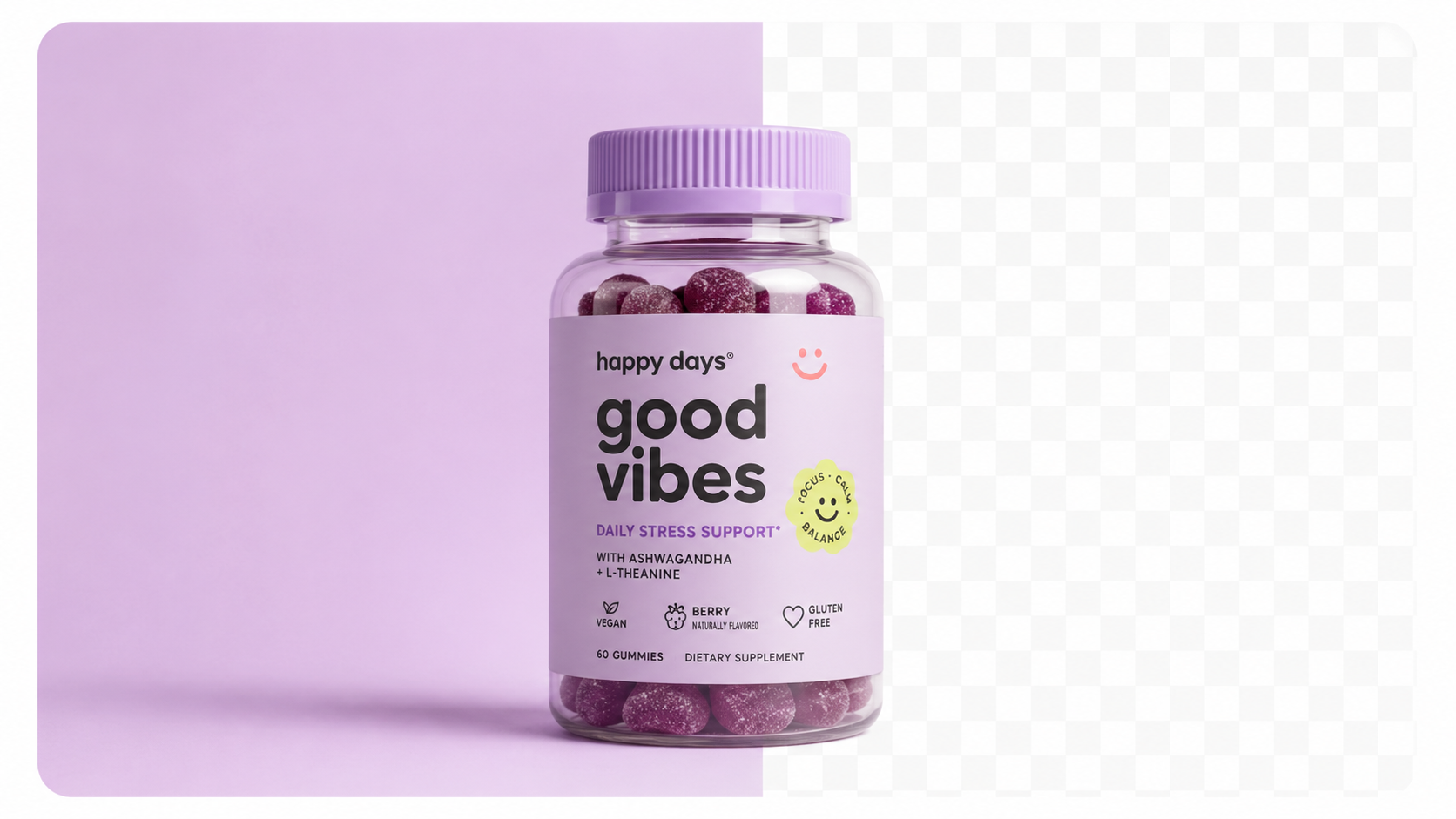
Sellable turns a single product photo into studio-quality images, cinematic video, and on-brand campaigns — in under 60 seconds.
Get started free →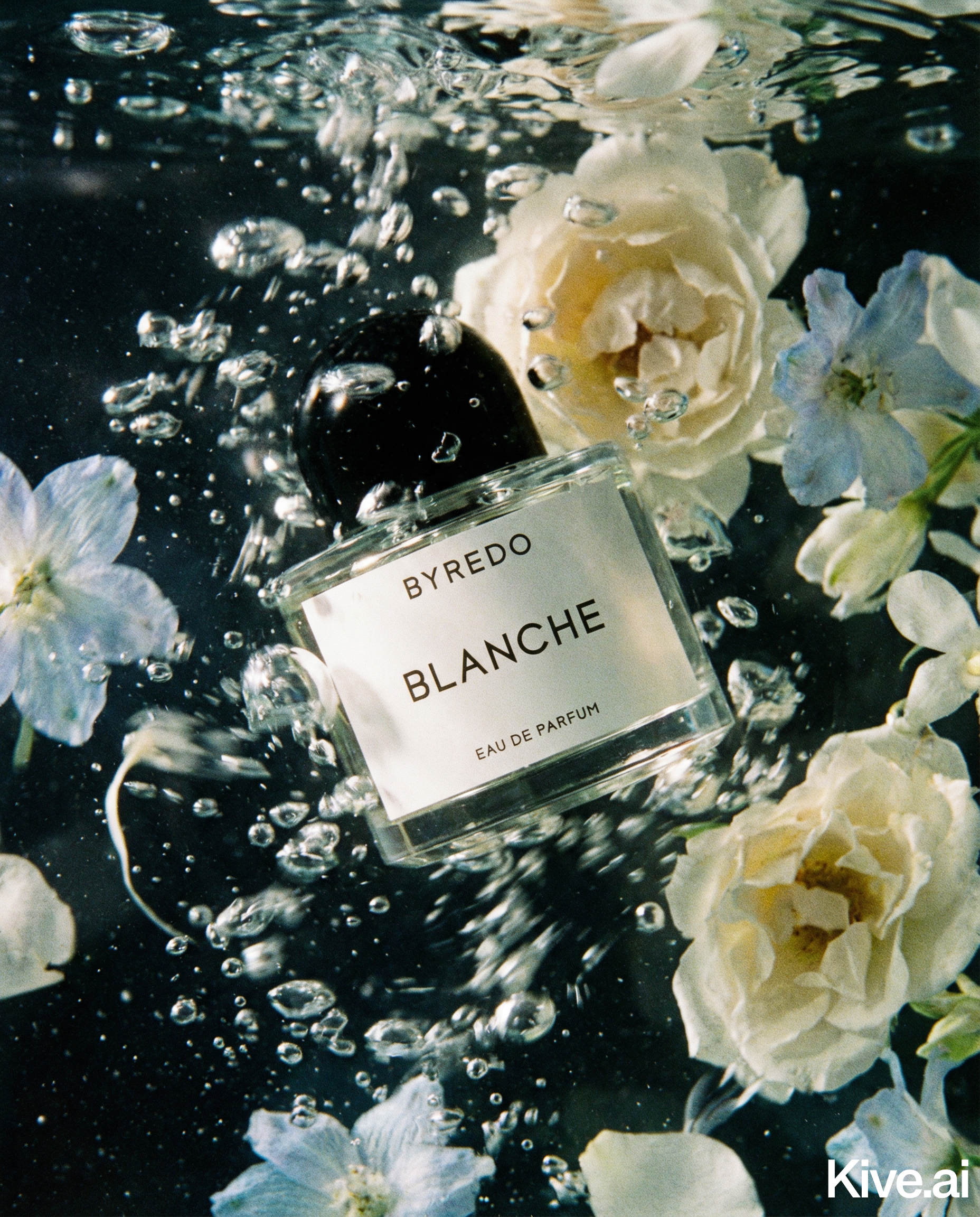


At this tier, Sellable is used to replace recurring half-day fashion shoots that typically run $500–$2,000 with a model and photographer. Virtual Model produces unlimited variations for a flat subscription. For a scaling SMB shipping new SKUs every week, the savings add up fast. Explore the Pro plan.
"Sellable is an irreplaceable tool for operating an online shop." — Pro user
The Features Sellers Rely On
Three features keep surfacing in the data, and each one tells a different story about how SMBs are rebuilding their photo workflow and where the biggest cost savings are coming from.
Virtual Model: A Must for Apparel and Beauty Sellers
Sellable's Virtual Model feature holds steady at around a third of users across every tier, peaking at 37% of Growth users. This is the feature that lets sellers put their products on a model — for clothing, jewelry, accessories, and beauty — without booking a real model shoot.
A single half-day fashion shoot typically costs $500–$2,000 with a model and photographer. Virtual Model produces unlimited on-model variations at a flat monthly subscription, making it the single biggest direct cost-saver for apparel and beauty sellers.
"Adding a virtual model means a sale most of the time." — Sellable user
Use our product description generator alongside your model shots to write copy that matches the visual quality of your new imagery.
Product Video: The Secret Ingredient to Elevated Listings
A professional video shoot can cost 3–10x more than a product photoshoot.
Video generation is available on Growth and Pro tiers, and 20% of Growth users say it's why they upgraded. Sellers are moving from static product shots to video as TikTok Shop, Instagram Reels, and Meta video ads dominate organic discovery. Sellable now makes video as accessible as background removal.
"Sellable is an all-in-one AI tool for sellers that quickly creates clean product photos, videos, and virtual model images to elevate listings and drive sales." — Growth user
Pair your Sellable product videos with a TikTok ad script or ad hook generator to go from image to running ad in minutes.
Bulk Generation: The Great Time Saver for All
Bulk generation is the only feature where importance stays virtually identical across tiers: 41% / 41% / 40% for Starter, Growth, and Pro respectively. That consistency is telling — whether a seller is shipping 30 products a month from a kitchen table or 500 SKUs a week from a small warehouse, the value of generating many images at once doesn't change, only the scale does.
Bulk isn't a power-user feature. It's table stakes for anyone serious about selling online. Users on Sellable can process 250 images at once — applying branded AI scenes, casting better lighting, removing backgrounds in parallel — saving days of work and the cost of editors.
"Sellable is easy to use, and the bulk generation knocks it out of the park — such a time saver, and the finished product looks amazing." — Growth user
The One Takeaway Sellers Need to Know Now
In e-commerce, time saved is products listed.
The seller's most precious resource is time. Sellable is the full AI product visual solution specialised in e-commerce — delivering the fastest path from product to sales that businesses can trust. The higher the plan you choose, the more time it gives back, and the more of the photo studio it replaces.
What this survey tells us, drawn from the people actually using the product, is that the cost of product photos was always larger than the line item suggested. It was the listings that didn't go up. The channels that didn't get launched. The conversion lift that never compounded.
When the photo step collapses from 15 minutes to under 5, that hidden cost collapses with it — and what shows up in its place is more catalog, more channels, and more sales.
What this means for SMBs:
- If you're a solo or growing seller using DIY tools today, read the Starter-tier story carefully. The median saving is 12 hours a month, and 36% of users put those hours straight into listing more products. That is the cleanest growth lever an SMB can pull without hiring.
- If you're scaling and relying on freelancers or shoots for apparel, beauty, or hero imagery, the Growth and Pro data is where the math gets serious. A quarter of Growth users and a third of Pro users have already reduced their photographer spend.
- If you're already on Starter and shipping 50+ products a month, the time-saved curve at Growth (22.5 hrs) and Pro (31.2 hrs) is hard to ignore. Each tier up returns more of your week.
Compare plans and get started free.
What It Takes to Stay Ahead
The e-commerce ground is shifting fast. Marketplaces are rewarding sellers who list more often, refresh visuals more frequently, and show up across more channels — from Shopify and Amazon to TikTok Shop, Instagram, and Meta ads.
The sellers winning the next twelve months won't be the ones with the biggest budgets. They'll be the ones who can produce a hero image, a model shot, and a video for a new SKU before lunch — and then do it again tomorrow for the next twenty products. Speed of iteration is becoming the competitive edge in SMB e-commerce.
The data in this report points to a clear playbook: collapse the photo step, reinvest the hours into catalog growth and channel coverage, and use AI to do the kind of visual work — Virtual Model, Video, bulk generation — that used to require a studio, a freelancer, or a Saturday.
The sellers who treat product photography as infrastructure rather than a chore will be the ones still listing, still launching, and still winning shelf space when the rest are still booking shoots.
Start generating studio-quality product photos with Sellable — free. Or explore our free e-commerce tools — product description generators, ad copy tools, and more — to sharpen your listings and ads while your images generate.
Frequently Asked Questions
How much does traditional product photography cost for small businesses?
Traditional product photography costs $25–$500 per image depending on complexity, plus $150–$300 per studio hour. A half-day fashion shoot with a model and photographer runs $500–$2,000 before retouching and channel formatting. These direct costs are compounded by the hidden cost of time: sellers spend a median of 15 minutes editing each image across every SKU, every channel update, and every seasonal refresh. For a catalog of 200 SKUs refreshed twice a year, that's over 100 hours of hidden editing labour annually.
How much time can AI product photography save per month?
Based on our survey of 1,356 e-commerce sellers using Sellable, the median time saving is 12 hours per month for Starter users, 22.5 hours for Growth users, and 31.2 hours for Pro users. The savings scale with catalog size and the number of channels a seller is actively serving. Sellers who adopted bulk generation, Virtual Model, and video generation in their workflow see the steepest savings curves.
Can AI product photos actually increase sales?
Of the sellers in our survey who measured the impact, the median reported a 30% increase in sales or conversion rate after switching to AI-generated product imagery. This is consistent with third-party marketplace data: Rappi reported a 20% conversion uplift from AI-enhanced product photos alone. Better images reduce buyer hesitation, lower bounce rates on PDPs, and improve click-through rates on paid and organic channels. The quality and consistency of Sellable-generated imagery meets the technical spec requirements of Amazon, Shopify, Etsy, and TikTok Shop.
What is Virtual Model and how does it reduce photography costs?
Virtual Model is a Sellable feature that places your product on a photorealistic AI model — for clothing, accessories, jewelry, and beauty — without booking a real model, photographer, or studio. A single half-day fashion shoot typically costs $500–$2,000. Virtual Model produces unlimited on-model variations at a flat monthly subscription price, making it the biggest direct cost-saver for apparel and beauty sellers. See which Sellable plan includes Virtual Model.
What types of businesses benefit most from AI product photography?
Any e-commerce seller producing regular visual content benefits, but the ROI is highest for three profiles: (1) solo sellers personally managing all photo editing who want hours back each week; (2) scaling DTC brands shipping new SKUs weekly who need consistent visual output without proportional cost increases; and (3) multi-channel sellers on Shopify, Amazon, TikTok Shop, and Instagram who need images formatted for every platform simultaneously. Use our product description generator to pair strong copy with your new imagery.
How does Sellable compare to hiring a freelance photographer or photo editor?
Hiring a freelance photo editor typically costs $15–$50 per image for retouching, or $500–$1,500 for a full product shoot package. 25% of Sellable Growth users and 32% of Pro users have reduced their freelancer or photographer spend since adopting the platform. Sellable doesn't replace creative direction entirely, but it absorbs the repeatable production-labour portion of the workflow — background removal, scene generation, on-model photography, video, and channel resizing — at a flat monthly cost regardless of volume. That's a fundamentally different cost structure from per-image freelancer rates.
Is AI product photography good enough for Amazon and Shopify?
Yes. Sellable-generated images meet the technical specifications for Amazon, Shopify, Etsy, TikTok Shop, and other major marketplaces — clean white or lifestyle backgrounds, correct pixel dimensions, and proper product isolation. 89% of sellers in our survey report finishing marketplace-ready images in under 30 minutes, including any manual review steps. Images generated by Sellable have been used in active Amazon storefronts, Shopify product pages, and paid Meta and TikTok ad campaigns. Try it free and generate your first images before committing to a plan.
How does Sellable handle bulk SKU updates and seasonal refreshes?
Sellable's bulk generation feature allows sellers to process up to 250 images in a single batch — applying consistent backgrounds, scenes, lighting corrections, and brand style across an entire catalog at once. This is the feature with the most consistent usage across all tiers (41% of Starter, 41% of Growth, and 40% of Pro users cite it as essential). For seasonal refreshes — where the same SKU needs a holiday, summer, or campaign-specific look — bulk generation compresses what used to be a multi-day photo and editing project into a single afternoon run. Pair bulk imagery with our product title generator and product bullet point generator to refresh listings completely.
References
- 1.eMarketer. (2025). *TikTok Shop US GMV and Seller Growth, 2023–2025.* eMarketer. Retrieved June 2026 from emarketer.com
- 2.OECD. (December 2025). *Generative AI adoption by SMEs across G7 countries.* Organisation for Economic Co-operation and Development. oecd.org/digital/artificial-intelligence
- 3.OpenAI. (2025). *State of Enterprise AI 2025: Productivity and efficiency gains from generative AI.* OpenAI. openai.com/business
- 4.Rappi. (2026). *AI-enhanced product photography and conversion rate research.* Internal marketplace data cited in Sellable State of GenAI in Marketplaces 2026.
- 5.Sellable. (2026). *Survey of 1,356 e-commerce sellers on AI product photography, catalog speed, and hidden operational costs.* Primary research. Sellable platform users. Platform data: platform.sellable.pro
- 6.OECD. (2024). *SME and Entrepreneurship Outlook 2024.* Organisation for Economic Co-operation and Development. doi.org/10.1787/de478b41-en