Buried in one AI UGC showcase post — made with an image model and a video generator, "no real model, no camera" — was the actual question the poster cared about: "Does it feel real enough? Would this convert for a clothing brand? Trying to see if this can replace traditional shoots for ads." That's a more useful question than "is AI UGC good," because the honest answer depends heavily on what's being sold.
This is the category with the most visible skepticism in these threads, and for a specific reason: fit, drape, and how fabric actually moves on a body are hard to fully convey through an AI avatar, even when the face, voice, and delivery are convincing. A jewelry ad can succeed purely on visual appeal and vibe; a clothing ad implicitly makes a claim about how the garment will look and fit on a real body, which is exactly the kind of physical-detail claim current AI generation struggles hardest to nail.
Where it works: early-funnel, vibe-driven content — outfit inspiration, styling ideas, discovery-stage ads where the goal is a click-through to a product page with real photos, not a final purchase decision made from the video alone.
Where it's weaker: late-funnel or conversion-focused content making an implicit fit/quality claim, where a viewer's doubt about "does it actually look like that" directly works against the sale.
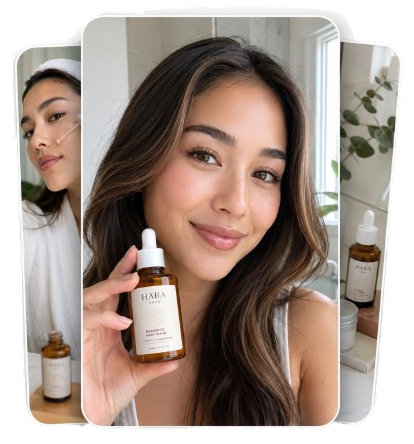
Skincare draws the strongest authenticity scrutiny of any category discussed in these communities, because the entire UGC format for skincare depends on a believable personal claim — "this cleared my skin," "this actually worked" — and viewers are primed to be skeptical of that exact claim from an obviously synthetic source. The category has also seen the most documented backlash: a paid AI UGC skincare campaign in these threads drew real pushback specifically over authenticity, not production quality.
Where it works: ingredient education, routine/how-to content, and brand-awareness content that doesn't hinge on a specific before/after claim.
Where it's weaker: results-based testimonial content, where the entire persuasive weight rests on the viewer believing a specific person had a specific real experience.
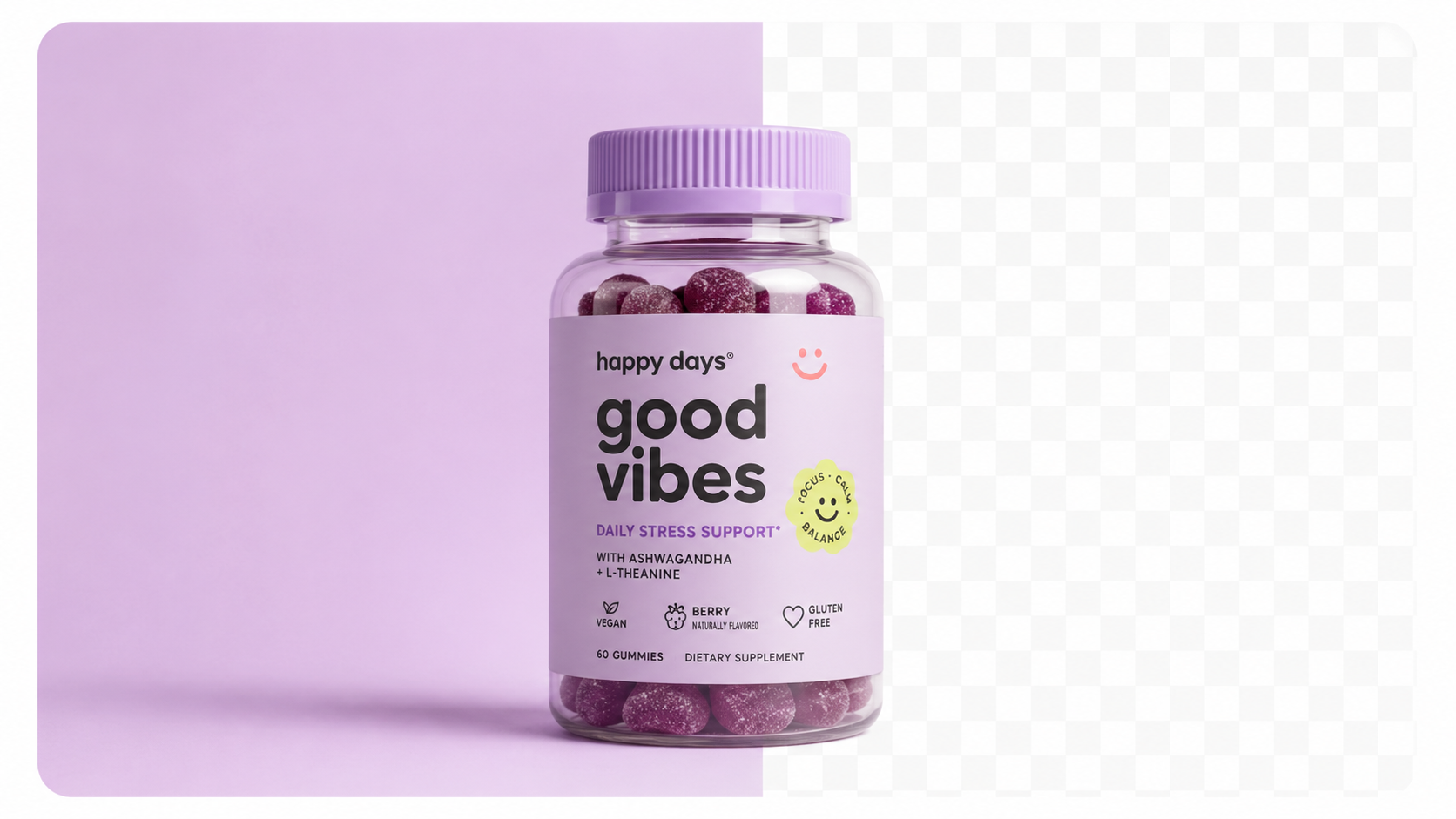
This is where AI UGC sees some of the most confident usage in these communities, and the reasoning tracks: supplement ads lean heavily on lifestyle and routine framing ("part of my morning stack") rather than a highly specific, verifiable physical claim, which is a lower bar for an AI avatar to clear convincingly.
Where it works: routine-integration content, energy/mood framing, and broad lifestyle claims.
Sellable turns a single product photo into studio-quality images, cinematic video, and on-brand campaigns — in under 60 seconds.
Get started free →Where it's weaker: specific medical or clinical-sounding claims, which both convert worse when made by an obviously synthetic source and carry more regulatory risk regardless of who or what is delivering them.
Less discussed directly in these threads, but the pattern that does show up matches the broader rule: AI UGC does well with reaction-and-taste framing (an avatar's genuine-seeming reaction carries most of the persuasive weight) and struggles more with anything requiring precise physical realism — texture, steam, condensation — which is a rendering challenge more than a trust challenge.
Tech and software UGC (including a large share of the "hiring AI UGC creators" posts across these subreddits, frequently for AI apps themselves) tends to work well with AI UGC, because the format naturally centers on a screen demo or a feature explanation rather than a physical, tactile claim about the product itself — the avatar's job is closer to a narrator than a hands-on reviewer.
The category itself isn't really the deciding factor — the deciding factor is whether the ad's core claim depends on a physical detail current AI generation struggles to render or convey convincingly. Apparel fit, skin-texture results, and food texture are hard. Vibe, routine, lifestyle framing, and screen-based demos are easy. See 7 mistakes that make AI UGC ads look fake for the production-level fixes that narrow this gap regardless of category, and should your AI UGC ads look real or obviously AI for how to handle categories where full realism isn't achievable yet.
Generate on-brand AI UGC and lifestyle imagery for your category →
Is there any category where AI UGC clearly outperforms human UGC?
Tech/software demo content is the strongest case in these communities — the format doesn't depend on physical realism, so the usual gap between AI and human UGC narrows considerably.
Should a clothing brand avoid AI UGC entirely?
Not entirely — it's a strong fit for early-funnel, discovery-stage content, and a weaker fit for late-funnel content making a specific fit or quality claim. Using it for the former and real photography or a real shoot for the latter is the pattern that shows up most in these discussions.
Why does skincare draw more backlash than other categories?
Because the format's entire persuasive mechanism is a personal, verifiable-sounding claim, and viewers who suspect that claim is synthetic react more strongly than they would to a less claim-dependent category like lifestyle or fashion inspiration content.
Does production quality change the category answer?
It narrows the gap but doesn't erase it — even a technically flawless AI UGC skincare ad still carries the underlying authenticity question that a genuinely real testimonial doesn't have to overcome. See the AI slop backlash and how to avoid triggering it for how that plays out in practice.
Industry Guides Industry Guides Industry Guides Industry Guides Industry Guides Industry Guides Industry Guides Industry Guides Industry Guides Product Description Generator Hashtag Generator Ad Headline Generator Product Title Generator Product Bullet Point Generator Collection Description Generator Facebook Ad Copy Generator TikTok Ad Script Generator Google Shopping Ad Generator Sign up for free and transform your product photography with Sellable.
Get started for free