"AI product video" gets used as a catch-all for two genuinely different tools solving different problems, and mixing them up is the fastest way to buy the wrong one.
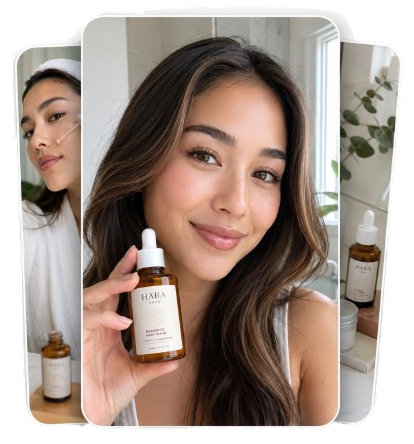
Talking-avatar / UGC video — HeyGen, Synthesia, Arcads, Creatify, Topview, and similar — generates a person (a real actor likeness, an AI avatar, or a digital twin) speaking to camera about a product. It's built for paid-social ad testing: hooks, scripts, CTAs, high-volume variation.
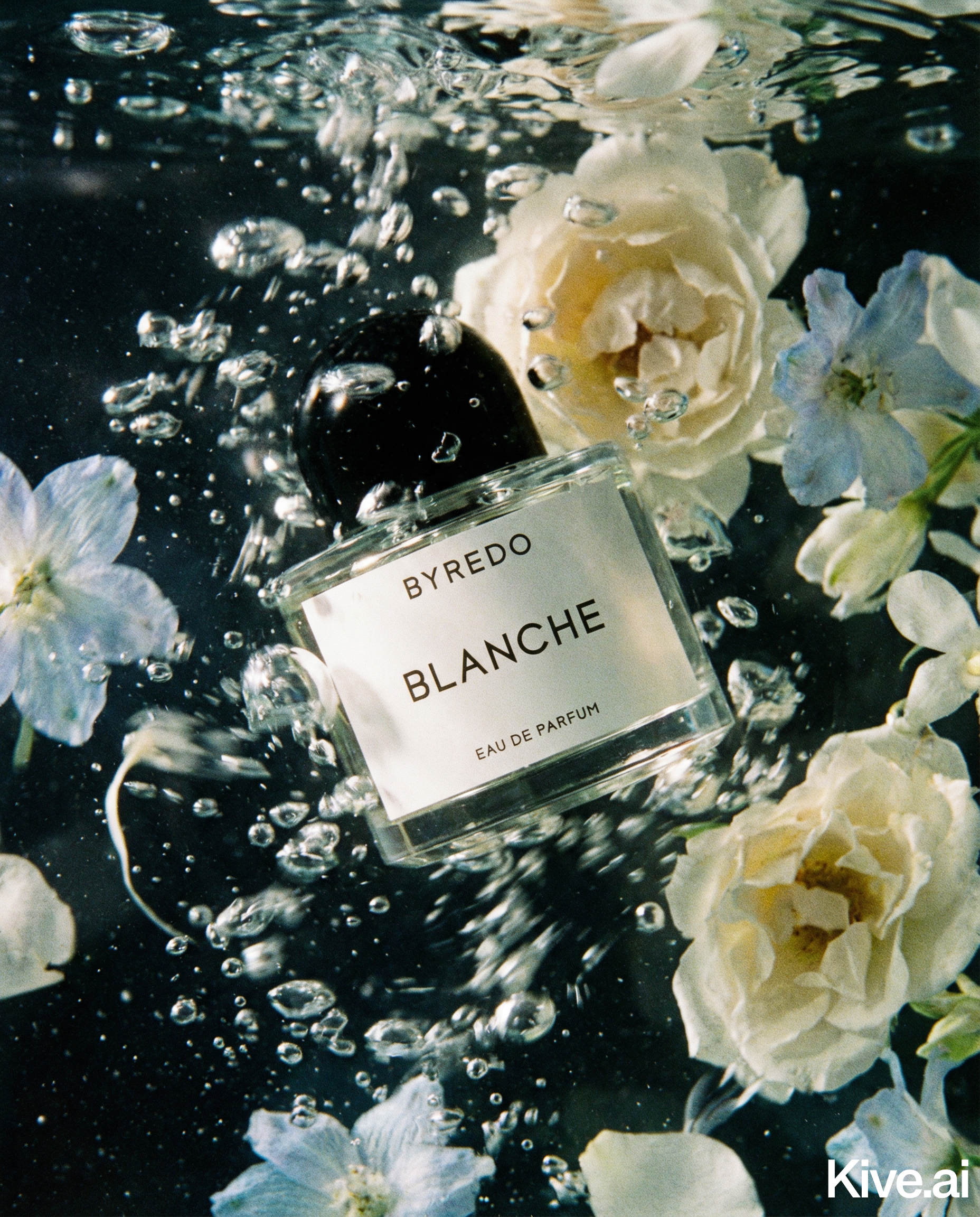
Cinematic product video — the category this piece covers — has no speaking actor. It's motion applied to the product itself: a slow push-in on a bottle, a 360 turntable, fabric moving in a breeze, liquid pouring in slow motion. It's built for product pages, hero banners, and ad creative that needs to look expensive without a spokesperson in frame.
Most DTC brands eventually use both, but they're different tools for different jobs, and this list covers the second category specifically. For the talking-avatar/UGC side, see Best AI UGC Platform for DTC Brands in 2026.
It's worth treating as its own list because video's effect on purchase intent is large and consistently reported. Wyzowl's long-running annual State of Video Marketing survey puts the figure at 85% of consumers who say they've been convinced to buy a product or service after watching a video related to it — a number that's held roughly steady across more than a decade of the same survey.
Source: Wyzowl, "Video Marketing Statistics" — wyzowl.com/video-marketing-statistics.
For a product page specifically, a short cinematic clip is often the single highest-leverage asset a brand can add above and beyond good stills.
1. Sellable — generates product-motion video directly from an uploaded product photo rather than a blank text prompt, running the clip through camera-movement presets (push-in, orbit, reveal) and routing to different underlying video models depending on the shot. Because it starts from the same product photo used for stills, output stays visually consistent with the rest of a listing's imagery — a common failure point when a brand generates video from one tool and stills from another and the product doesn't quite match between the two. From $49/month, video included at every tier.
2. Runway — the strongest pick for tight creative control, particularly camera motion: a wide, directable range of camera moves that read as smooth and intentional rather than as AI drift. Standard plan verified at $12/month for 625 monthly credits; Pro at $28/month adds custom voice and access to higher-tier models.
Source: Verified directly from Runway's official pricing page.
3. Kling AI — prioritizes consistency and predictability over creative randomness, which matters specifically for product work: a brand can't afford a model that subtly reinterprets a product's shape between frames. Reported pricing starts around $10/month for the Standard tier, up to $37/month for Pro.
4. Luma (Dream Machine / Luma Agents) — fast image-to-video generation, particularly strong on short clips, useful for quick hero-banner motion rather than long sequences. Plus tier verified at $30/month for 10,000 credits.
Source: Verified directly from Luma's official pricing page.
5. Higgsfield — less a single model, more an aggregator: pay-as-you-go access to multiple underlying models (Veo, Kling, Seedance, Pika) through one interface, with cinematic camera presets and draw-to-video tools layered on top. Reported pricing starts around $9/month for its Basic tier.
Worth noting: several tools in this category — Higgsfield especially, and to some extent Sellable — route requests to more than one underlying video model rather than running a single proprietary one. The practical upshot is that raw model quality across the category converges faster than the tools built on top of it, and workflow — does it start from your product photo? does it match your other imagery? — ends up mattering more than which model is technically newest.
Turn a product photo into cinematic motion →
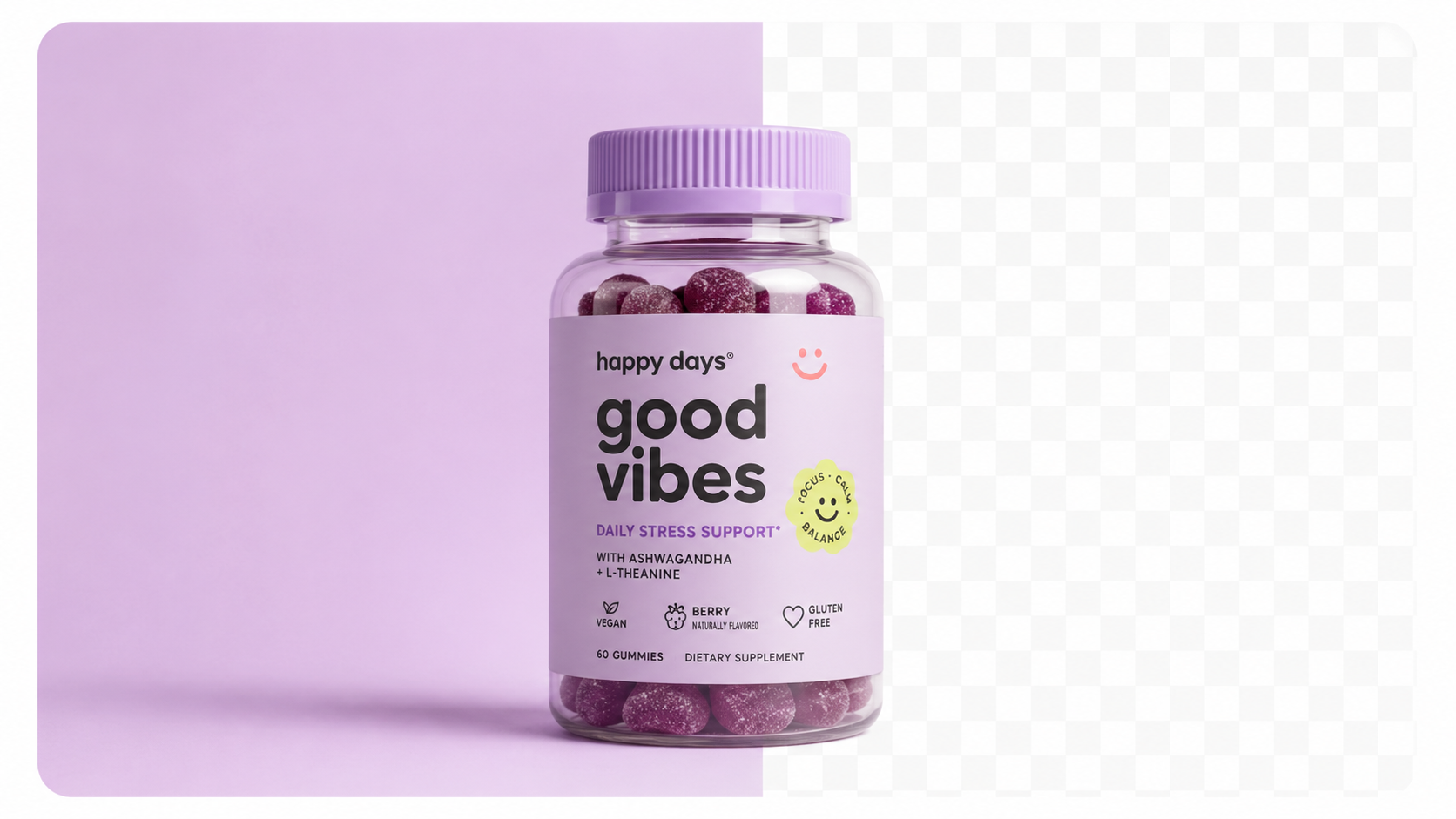
Sellable turns a single product photo into studio-quality images, cinematic video, and on-brand campaigns — in under 60 seconds.
Get started free →Three things separate a convincing clip from an obviously synthetic one, in order of how often they go wrong:
The other reason this category exists at all: a traditional cinematic product shoot — studio, camera operator, lighting rig, motion-control rig for a clean turntable — runs into the thousands of dollars per product and typically books weeks out, which makes it a poor fit for a catalogue with regular new SKUs. Every tool in this list generates a clip in minutes rather than weeks, which changes the actual decision a brand faces: it's no longer "can we afford cinematic video for this launch," it's "which tool's output is good enough to skip the shoot for this specific product." For most standard-shaped hard goods, the AI output from the tools above is genuinely close enough to skip the shoot. For unusually reflective, translucent, or fabric-heavy products, it's worth generating a test clip before committing a whole catalogue to one tool — the failure modes above (drifting product shape, unconvincing liquid or fabric motion) show up disproportionately in those categories.
Choose Sellable if you want product video generated from the same photo as your stills, without learning a separate prompt-engineering workflow.
Choose Runway if precise, directable camera control matters more than starting from a product photo, and you're comfortable art-directing each shot.
Choose Kling if consistency and predictability matter more than creative range — useful when a product's exact shape and branding can't drift between frames.
Choose Luma if you need fast, short hero-banner motion rather than longer or more complex sequences.
Choose Higgsfield if you want access to several underlying models through one interface and don't mind a credit-based, pay-as-you-go structure.
For the talking-avatar side of AI video — actors, scripts, and ad-hook testing — see Best AI UGC Platform for DTC Brands in 2026 and how to make product videos with AI.
What's the difference between cinematic product video and UGC video?
Cinematic product video animates the product itself — motion and camera moves, no speaker. UGC/talking-avatar video features a person, real or AI, speaking about the product. They serve different placements: cinematic video for PDPs and hero banners, UGC video for paid-social ad testing.
Do I need both types of video?
Most DTC brands running paid social eventually do — UGC-style video for the ad itself, cinematic product video for the page the ad sends traffic to. Neither substitutes for the other.
Can these tools handle a full catalogue, or just hero products?
Sellable is built for batch generation across a catalogue since it starts from product photos already in the system. Runway, Kling, Luma, and Higgsfield are generally used shot-by-shot for hero assets rather than full-catalogue automation.
Is AI cinematic video actually usable for paid ads, or just organic content?
Yes — a short cinematic product clip performs well as a scroll-stopping opener before cutting to a UGC-style pitch, and works as standalone creative for retargeting audiences who've already seen the product.
What does a realistic monthly budget look like for a small brand?
Entry tiers across this category run $9–$30/month for a single tool. A brand needing both cinematic product video and the stills it's generated from tends to find a combined platform like Sellable ($49/month, both included) cheaper than paying for a stills tool and a video tool separately.
How long does it actually take to generate a clip?
Most tools in this list return a 4–10 second clip in a few minutes, though queue times vary by tool and plan tier — paid tiers generally prioritize generation speed over free tiers. That's still minutes rather than the weeks a traditional cinematic shoot requires, which is the entire reason this category exists.
Cost & Comparisons Cost & Comparisons Cost & Comparisons Cost & Comparisons Cost & Comparisons Cost & Comparisons Cost & Comparisons Cost & Comparisons Cost & Comparisons Product Description Generator Hashtag Generator Ad Headline Generator Product Title Generator Product Bullet Point Generator Collection Description Generator Facebook Ad Copy Generator TikTok Ad Script Generator Google Shopping Ad Generator Sign up for free and transform your product photography with Sellable.
Get started for free